How to Compare EB-5 Regional Centers in 2026

EB5 Coast to Coast

- October 23, 2026
- 5 min read
Selecting the right regional center is the most critical decision an EB-5 investor will make.
Under the EB-5 Reform and Integrity Act (RIA), investors should compare USCIS-approved regional centers on a few key factors: their track record and whether they offer high-quality projects that qualify for priority processing.

Comparative Overview: Key Regional Center Evaluation Criteria
- Good standing on the USCIS-approved regional center list, current I-956G annual reporting, and paid Integrity Fund fees.
- Sponsoring center under regulatory suspension, unfiled I-956G reports, or missed Integrity Fund payments.
- Active or approved Form I-956F status filed prior to investor Form I-526E submissions.
- Unfiled Form I-956F, incomplete economic impact models, or unverified TEA tract designations.
- 20% to 30%+ cushion supported primarily by hard construction expenditure.
- Job cushions under 10% or heavy reliance on speculative post-completion operational revenues.
- Clearly defined roles for the Regional Center, NCE Manager, Developer, and Operator, with third-party fund administration or annual audits.
- Undisclosed conflicts of interest, commingled accounts, or no independent financial review.
1. What Defines the Best EB-5 Regional Centers in 2026?
An EB-5 Regional Center is an entity designated by U.S. Citizenship and Immigration Services (USCIS) to promote economic growth and job creation within a defined geographic area. Regional centers sponsor EB-5 projects and oversee their compliance with USCIS requirements.
When comparing USCIS-approved EB-5 regional centers, top-performing sponsors distinguish themselves through rigorous compliance and structural transparency:
Regional centers must remain in good standing with USCIS, file annual Form I-956G reports, pay Integrity Fund fees, and comply with RIA oversight requirements.
Sponsoring centers must file Form I-956F to receive project-level authorization. While an approved I-956F confirms that project plans, TEA status, and economic modeling meet USCIS standards, it does not guarantee individual Form I-526E approval, which requires separate verification of each investor’s lawful source and path of funds.
Premium regional centers employ independent fund administrators or mandate annual audited financial statements to protect investor capital.
2. Evaluating an EB-5 Regional Center Track Record
Comparing an EB-5 regional center track record requires looking beyond marketing claims and analyzing four distinct entities involved in any offering:
Oversees regulatory compliance and USCIS filings.
Serves as the fiduciary protecting investor capital and monitoring how it is deployed.
Executes real estate construction and deploys capital.
Manages post-construction commercial operations.
A Note on Track Records: Past repayment history offers valuable insight, but newer post-RIA project offerings may not yet have reached financial maturity. Investors should evaluate centers on present merits, focusing on corporate governance, capital stack positioning, and job creation cushions.
3. Rural vs. Urban: Strategic Project Comparison
When evaluating regional centers, investors must consider the geographic and visa set-aside alignment of their sponsored offerings:
Rural TEA EB-5 Regional Center Projects
Located in qualifying rural areas, these projects benefit from statutory priority processing of Form I-526E petitions and access the largest reserved visa pool.
High Unemployment TEAs
Projects located in census tracts meeting 150% of the national unemployment average.
Infrastructure Projects
Public works initiatives administered by government entities.
While priority processing for rural petitions directs USCIS to review applications ahead of standard queues, individual processing times vary and do not constitute a contractually guaranteed adjudication timeframe. Furthermore, visa set-aside queues remain subject to monthly U.S. Department of State Visa Bulletin updates.
Frequently Asked Questions (FAQs)
Under standard EB-5 rules, Regional Center investors hold a Passive Role with Voting Rights as Limited Partners. They participate in major policy decisions (such as voting on key operational changes or loan extensions) without being involved in daily business operations. In contrast, Direct EB-5 requires an Active Management Role, where the investor must be directly involved in daily operations, executive management, or policy-making.
No. An approved Form I-956F status confirms that the project’s business plan, job creation model, TEA designation, and economic impact analysis meet USCIS standards. However, USCIS must independently adjudicate each investor’s Form I-526E petition to verify the legal source and path of their individual investment capital.
Investing in rural TEA EB-5 regional center projects grants access to the largest reserved visa allocation pool (20% set-aside) under the EB-5 Reform and Integrity Act (RIA). Additionally, rural petitions qualify for statutory priority processing, directing USCIS to review Form I-526E applications ahead of all other queues.
No. While priority processing moves rural petitions ahead of non-rural petitions, processing times vary by individual petition and do not constitute a contractually guaranteed adjudication timeline. Furthermore, reserved visa availability remains governed by monthly U.S. Department of State Visa Bulletin updates and can change over time.
Compare Your Options with EB5 Coast to Coast
Choosing the right regional center partner is the foundation of a successful EB-5 journey.
Note: EB-5 Coast to Coast is associated with many of these sponsored projects only in its service as a Regional Center for compliance with the EB-5 program. We participate in the offerings and are involved in the capital raise of some but not all of these sponsored projects.
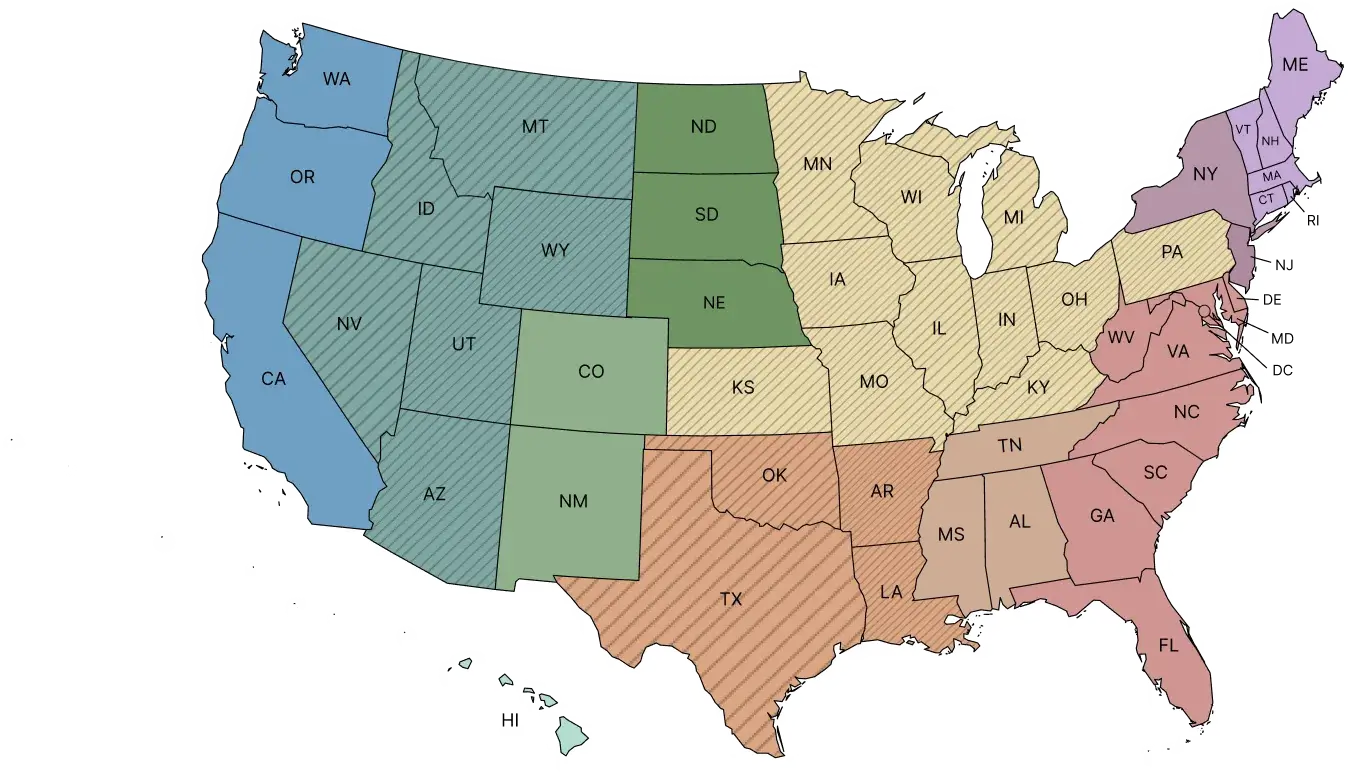
At EB5 Coast to Coast, we operate 12+ USCIS-approved EB-5 regional centers spanning 49 states, with over $800M raised across 90+ sponsored projects. Whether you’re looking for priority processing through a rural project or comparing other options, our team walks you through every offering document so you can decide with confidence.
Connect with an EB-5 Specialist Today to see where our active projects stand with USCIS, review our track record, and find the path that fits your family’s goals.
Disclaimer: This update is provided for informational purposes only and does not constitute legal or investment advice. Visa availability is subject to change, and individual circumstances may vary. Prospective investors should consult with qualified immigration counsel and review all offering documents before making any investment decision.
Recent Post
Connect with an EB-5 Specialist Today
See where our active projects stand with USCIS, review our track record, and find the path that fits your family’s goals.