Best EB-5 Projects for Indian Investors in 2026: An Investor’s Guide

EB5 Coast to Coast

- October 23, 2026
- 5 min read
Selecting the right regional center is the most critical decision an EB-5 investor will make.
For Indian nationals navigating decades-long backlogs in traditional EB-2 and EB-3 employment categories, securing a U.S. Green Card through an EB-5 regional center investment offers a proven alternative. In 2026, selecting the right project requires choosing USCIS-approved EB-5 regional centers with strong Form I-956F approval status, evaluating an established EB-5 regional center track record, and leveraging reserved visa categories through EB-5 regional center projects to fast-track U.S. permanent residency.

Connect with an EB-5 Specialist Today
Strategic Comparison: EB-5 Options for Indian Investors
- Passive Role with Voting Rights (Limited Partner role; no daily management required).
- Passive Role with Voting Rights (Limited Partner role; no daily management required).
- Active Management Role (Must directly manage daily business operations or executive decisions).
- Current (20% reserved visa set-aside pool).
- Current (10% set-aside pool).
- Subject to general unreserved queue backlogs for India.
- Priority processing status for Form I-526E review.
- Standard USCIS petition review queues.
- Standard USCIS petition review queues.
- $800,000.
- $800,000.
- $1,050,000 (Non-TEA) / $800,000 (TEA).
1. Why Rural TEA EB-5 Regional Center Projects Are Ideal for Indian Nationals
Indian professionals on nonimmigrant visas (such as H-1B or L-1) encounter extensive processing delays under the unreserved EB-2 and EB-3 categories. Under the EB-5 Reform and Integrity Act (RIA), project location determines which visa pool an investor enters:
Projects in rural Target Employment Areas (TEAs) access the largest reserved allocation pool. Under current 2026 Visa Bulletin updates, reserved categories remain “Current” for Indian applicants, allowing investors to bypass the unreserved backlogs.
USCIS prioritizes the review of Form I-526E petitions for rural projects, significantly accelerating initial petition adjudication compared to standard queues.
Indian nationals residing legally in the United States on certain visas such as H-1B can take advantage of EB-5 concurrent filing by submitting Form I-526E and Form I-485 (Adjustment of Status) simultaneously. This grants an Employment Authorization Document (EAD) work permit and Advance Parole (AP) travel permit in a matter of months, shielding the family from visa status dependencies.
2. Evaluating an EB-5 Regional Center Track Record
Before committing capital to an offering, Indian investors must verify that the project structure strictly complies with USCIS standards:
Verify that the project is sponsored by USCIS-approved EB-5 regional centers in good standing. Sponsoring entities must be re-designated under Form I-956, submit annual Form I-956G filings, and pay required Integrity Fund fees.
Sponsoring regional centers must file Form I-956F (Application for Approval of an Investment in a Commercial Enterprise) before any investor can submit Form I-526E. Securing a verified Form I-956F approval status confirms that USCIS has already evaluated the project’s business plan, job creation model, and TEA eligibility.
While an approved Form I-956F resolves project-level immigration risks, it does not guarantee individual Form I-526E approval. USCIS must independently adjudicate each investor’s personal source and path of funds (e.g., verifying RBI LRS remittance rules and tax documentation).
3. Analyzing Entity Roles and the Regional Center Track Record
Due diligence requires separating project marketing claims from structural execution history. Prospective investors should evaluate an established EB-5 regional center track record separately across four distinct parties:
Programmatic Compliance & USCIS Sponsorship
Investor Fiduciary Management & Escrow Supervision
Property Construction & Capital Deployment
Commercial Operations & Asset Revenue Management
Handles programmatic compliance, regulatory reporting, and USCIS filing oversight.
Acts as the fiduciary managing investor funds, monitoring capital distribution, and enforcing loan covenants.
Manages real estate construction and deploys capital.
Directs post-completion operations (e.g., hotel, industrial, or residential asset management).
Ensure the project utilizes an independent third-party fund administrator or mandates annual audited financial statements as required by the RIA. Prioritize capital structures where the developer contributes a substantial cash equity stake.
Frequently Asked Questions (FAQs)
Regional Center investors hold a Passive Role with Voting Rights as Limited Partners. They vote on major policy matters (such as key fund decisions) without participating in daily business management. In contrast, Direct EB-5 requires an Active Management Role, where the investor must directly manage day-to-day operations or hold an executive position.
Yes. Through EB-5 concurrent filing, Indian nationals residing in the U.S. on valid nonimmigrant visas (H-1B, L-1, F-1) can submit Form I-485 alongside their Form I-526E petition. This grants an unrestricted EAD work permit and Advance Parole travel document while their Green Card application processes.
No. Priority processing directs USCIS to review rural Form I-526E petitions faster than unreserved cases, but individual adjudication times vary and do not constitute a contractually guaranteed processing timeline. Furthermore, visa availability across set-aside categories remains subject to monthly U.S. Department of State Visa Bulletin updates.
No. An approved Form I-956F confirms that the project’s business plan, job creation model, economic analysis, and TEA status comply with USCIS regulations. However, USCIS must separately evaluate each investor’s individual Form I-526E petition to verify the lawful source and path of their investment capital.
Partner with EB5 Coast to Coast
Finding a fully compliant EB-5 project requires working with an experienced regional center team that understands the unique needs of Indian investors.
Note: EB-5 Coast to Coast is associated with many of these sponsored projects only in its service as a Regional Center for compliance with the EB-5 program. We participate in the offerings and are involved in the capital raise of some but not all of these sponsored projects.
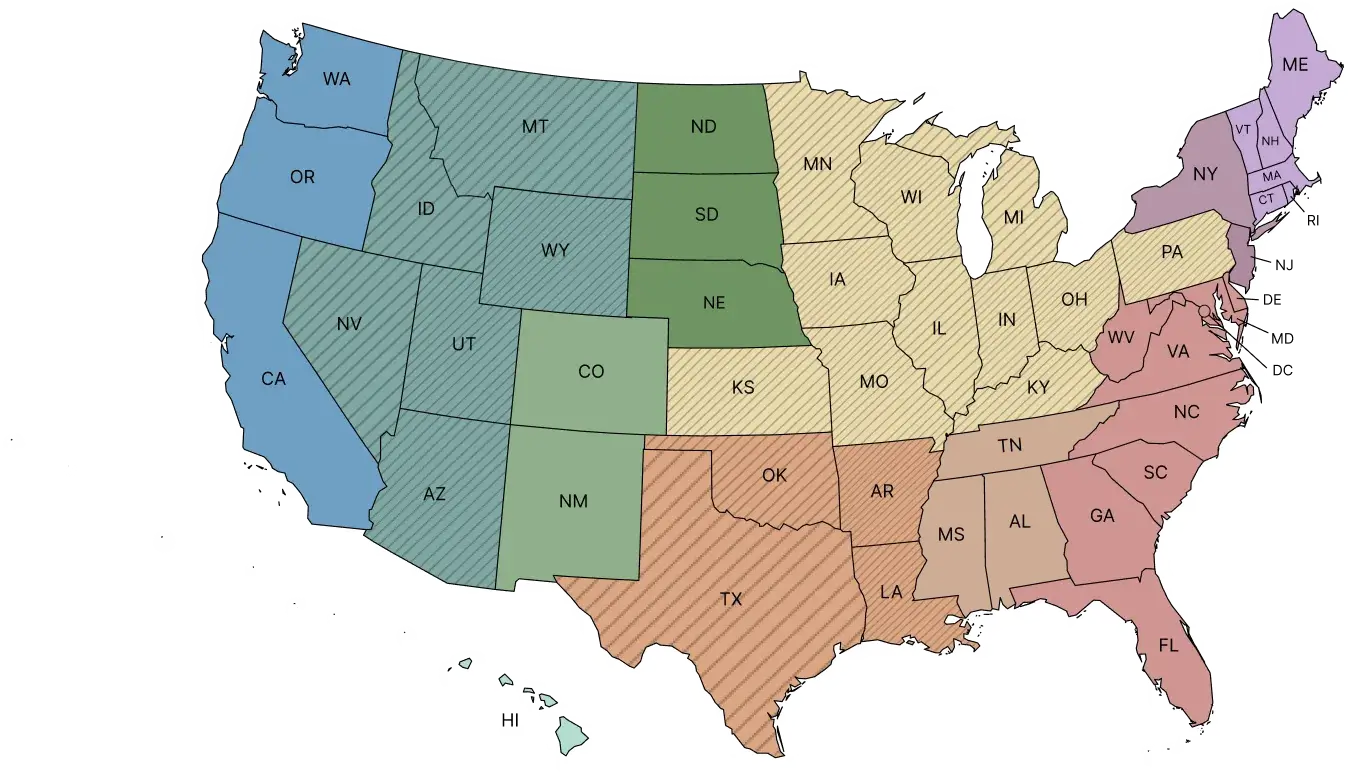
At EB5 Coast to Coast, we operate 12+ USCIS-approved EB-5 regional centers covering 49 states, with over $800M in raised capital across 90+ sponsored projects. Whether you are seeking statutory priority processing through our portfolio of rural TEA EB-5 regional center projects or exploring high-demand HUA offerings, our team provides total transparency at every step of due diligence.
Connect with an EB-5 Specialist Today to review active project documentation, examine our Form I-956F approval status track record, and evaluate an established EB-5 regional center track record tailored to your family’s immigration goals.
Disclaimer: This update is provided for informational purposes only and does not constitute legal or investment advice. Visa availability is subject to change, and individual circumstances may vary. Prospective investors should consult with qualified immigration counsel and review all offering documents before making any investment decision.
Recent Post
Connect with an EB-5 Specialist Today
See where our active projects stand with USCIS, review our track record, and find the path that fits your family’s goals.