Understanding USCIS-Approved EB-5 Regional Centers in 2026: An Investor’s Comprehensive Guide
EB5 Coast to Coast

- October 28, 2026
- 5 min read
Selecting the right regional center is the most critical decision an EB-5 investor will make.
For foreign investors seeking permanent U.S. residency, investing through an EB-5 regional center offers an efficient and structured pathway. Evaluating USCIS-approved EB-5 regional centers requires assessing regulatory compliance under the EB-5 Reform and Integrity Act (RIA), checking a project’s I-956F status before investing, reviewing the regional center’s track record, and understanding how rural projects can qualify for reserved visas.

- Comparative Breakdown
- What Is a USCIS-Approved EB-5 Regional Center?
- Verifying Form I-956F Status and Project Rules
- Evaluating Entity Roles and the EB-5 Regional Center Track Record
- Strategic Benefits of Rural TEA EB-5 Regional Center Projects in 2026
- Frequently Asked Questions
- Make an Informed EB-5 Decision with EB5 Coast to Coast
Comparative Breakdown: Regional Center vs. Direct EB-5 Investment
- Passive Role with Voting Rights
- Active Management Role
- Direct, indirect, and induced jobs created through regional economic growth models (e.g., IMPLAN, RIMS II).
- Only direct full-time U.S. employees listed on the enterprise's W-2 payroll count.
- Sponsoring centers must file Form I-956F to receive project-level authorization.
- No project-level pre-approval; business plan is evaluated individually with the investor’s petition.
- $800,000 in Targeted Employment Areas (TEA) / $1,050,000 in Non-TEA. Both amounts are scheduled to adjust for inflation on January 1, 2027.
- $800,000 in Targeted Employment Areas (TEA) / $1,050,000 in Non-TEA. Both amounts are scheduled to adjust for inflation on January 1, 2027.
- Reserved visas (20% rural, 10% high unemployment, 2% infrastructure) if the project qualifies.
- Rural and high unemployment set-asides if the project qualifies.
1. What Is a USCIS-Approved EB-5 Regional Center?
A regional center is an economic entity designated by U.S. Citizenship and Immigration Services (USCIS) to sponsor projects that promote economic growth and create qualifying full-time U.S. jobs.
Under statutory rules updated by the EB-5 Reform and Integrity Act (RIA), USCIS-approved EB-5 regional centers maintain regulatory standing through strict compliance requirements:
Pre-existing and new regional centers must remain in good standing on the official USCIS-approved regional center list.
Regional centers submit annual reports to USCIS documenting active projects, capital deployment, and job creation metrics.
Sponsoring centers pay annual fees into the federal EB-5 Integrity Fund to support USCIS oversight, site visits, and auditing.
2. Verifying Form I-956F Status and Project Rules
Before an investor submits an individual Form I-526E petition, the sponsoring regional center must submit Form I-956F (Application for Approval of an Investment in a Commercial Enterprise) for the specific project.
An approved Form I-956F means USCIS has reviewed the project’s economic impact model, TEA designation, and business plan. A filed I-956F that hasn’t been approved yet has not been reviewed.
While an approved Form I-956F significantly reduces project-level risk, it does not guarantee individual Form I-526E approval. USCIS must separately review and approve each investor’s application to verify the lawful source and path of their personal funds.
3. Evaluating Entity Roles and the EB-5 Regional Center Track Record
Performing thorough due diligence means understanding the four distinct functional roles involved in a project structure:
Handles programmatic compliance, annual Form I-956G reporting, and USCIS regulatory oversight.
Serves as the fiduciary managing investor capital, supervising escrow arrangements, and monitoring how capital is deployed.
Leads real estate construction, manages property development, and deploys capital.
Manages long-term commercial operations and asset revenue generation.
The Regional Center, NCE Manager, Developer, and Operator do not need to be completely separate or independent companies. In many structured projects, the regional center also serves as the NCE (fund) manager to maintain direct operational alignment and capital oversight.
4. Strategic Benefits of Rural TEA EB-5 Regional Center Projects in 2026
Project location dictates the visa allocation pool an investor enters under current U.S. Department of State Visa Bulletin guidelines:
Investing through rural TEA EB-5 regional center projects grants access to the largest reserved visa category, giving investors from backlogged countries such as India and China a separate visa category from the unreserved backlog. Availability still depends on the monthly Visa Bulletin.
Rural TEA petitions receive statutory priority processing from USCIS, accelerating initial Form I-526E petition review compared to standard queues.
Investors in the U.S. on a valid nonimmigrant visa (such as H-1B, L-1, or F-1) can file Form I-526E and Form I-485 together if a visa is available for their category and country. While the I-485 is pending, they can apply for a work permit (EAD) and travel permit (Advance Parole).
Priority processing directs USCIS to review rural petitions ahead of standard queues, but individual adjudication times vary and do not constitute a contractually guaranteed processing timeframe. Furthermore, visa availability across reserved queues remains subject to monthly U.S. Department of State Visa Bulletin updates.
Frequently Asked Questions (FAQs)
Investors in regional center projects hold a Passive Role with Voting Rights as Limited Partners. They participate in major policy decisions (such as voting on key fund matters) without taking part in day-to-day business management.
You can verify designation by checking if the regional center is in good standing on the official USCIS-approved regional center list. You can also request proof of current Form I-956G annual filings and receipt notices for annual EB-5 Integrity Fund payments.
No. An approved Form I-956F reduces project-level risk by confirming that the project’s business plan, job creation methodology, and economic modeling meet USCIS standards. However, USCIS must independently adjudicate each investor’s individual Form I-526E petition to verify the lawful source and path of their investment funds.
Rural TEA projects qualify for statutory priority processing of Form I-526E petitions and grant access to the 20% reserved visa set-aside queue. This can mean faster petition review and a separate visa category from the unreserved backlog, though timing still depends on USCIS and the Visa Bulletin.
Make an Informed EB-5 Decision with EB5 Coast to Coast
Selecting a regional center partner requires looking beyond project marketing to evaluate the project’s structure, risks, and regulatory compliance.
Note: EB-5 Coast to Coast is associated with many of these sponsored projects only in its service as a Regional Center for compliance with the EB-5 program. We participate in the offerings and are involved in the capital raise of some but not all of these sponsored projects.
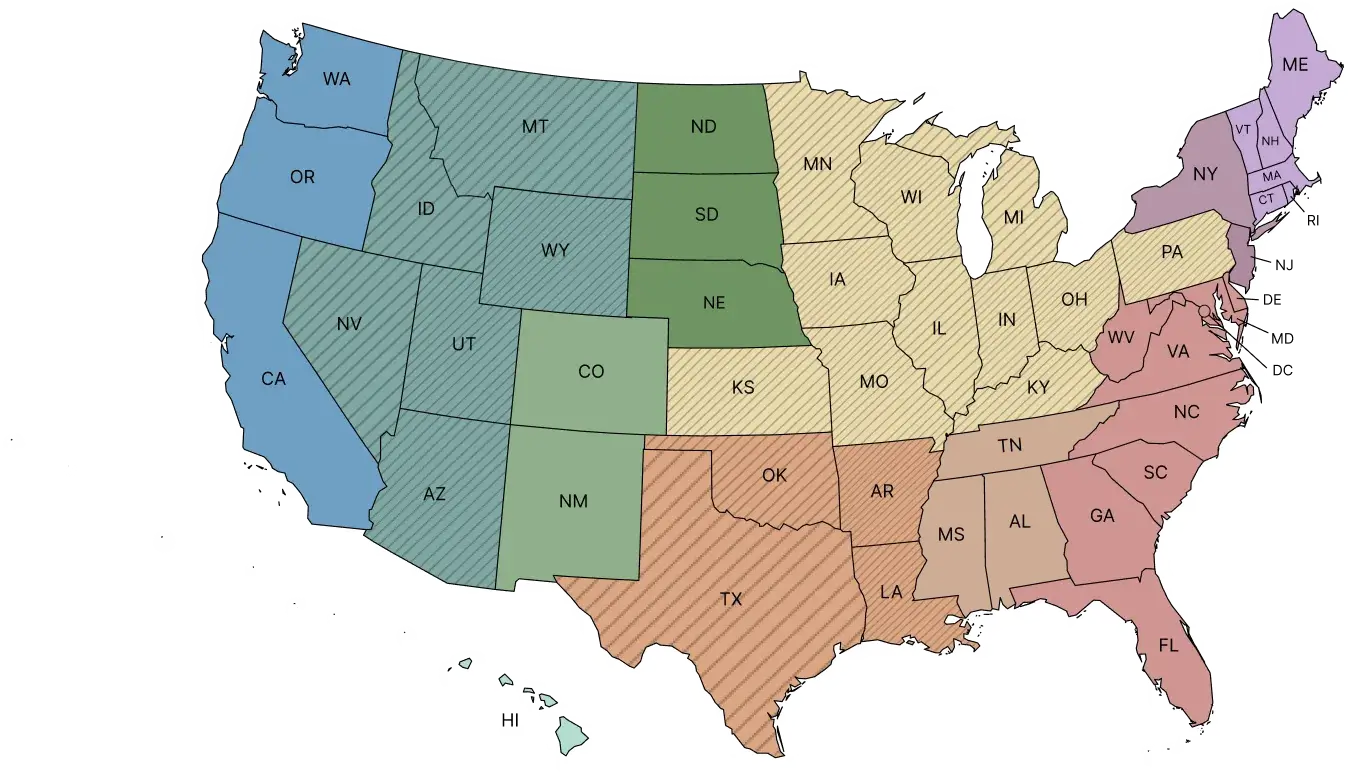
At EB5 Coast to Coast, we operate 12+ USCIS-approved regional centers covering 49 states, with 90+ projects sponsored and 14 years of EB-5 experience. Whether you’re interested in priority processing through a rural project or comparing other options, our team can walk you through the details so you can decide with confidence.
Connect with an EB-5 Specialist Today to review active projects, examine our verified EB-5 regional center track record, and find the path that fits your family’s goals.
Disclaimer: This article is provided for informational purposes only and does not constitute legal or investment advice. Visa availability is subject to change, and individual circumstances may vary. Prospective investors should consult with qualified immigration counsel and review all offering documents before making any investment decision.
Recent Post



Connect with an EB-5 Specialist Today
See where our active projects stand with USCIS, review our track record, and find the path that fits your family’s goals.