EB-5 Investment Models Compared: Direct vs. Regional Center Projects in 2026
Vy Nguyen
EB5 Coast to Coast

EB5 Coast to Coast
- October 30, 2026
- 6 min read
Selecting the right regional center is the most critical decision an EB-5 investor will make.
Selecting between a Direct EB-5 investment and a Regional Center project is a fundamental decision that shapes an investor’s legal commitment, operational responsibility, and immigration timeline. This guide compares the two on management, job creation, project approval, and visa set-asides.

Connect with an EB-5 Specialist Today
Side-by-Side Comparison: Direct EB-5 vs. Regional Center Investment Models
Strategic Dimension
Direct (Standalone) EB-5 Model
Regional Center EB-5 Model
Investor Management Role
Rural TEA EB-5 Regional Center Projects
- Owner with a policy-making role. Usually runs the business, or hires managers to run it.
High Unemployment / Urban Regional Center Projects
- Policy-making role as a limited partner or member. The fund manager and developer run the project.
USCIS Petition Form
Rural TEA EB-5 Regional Center Projects
- Form I-526.
High Unemployment / Urban Regional Center Projects
- Form I-526E.
Job Creation Methodology
Rural TEA EB-5 Regional Center Projects
- Must create 10 direct, full-time W-2 U.S. positions directly on the enterprise's payroll.
High Unemployment / Urban Regional Center Projects
- May count direct, indirect, and induced jobs calculated through approved economic models (e.g., IMPLAN or RIMS II).
Minimum Investment Capital
Rural TEA EB-5 Regional Center Projects
- $800,000 (TEA) or $1,050,000 (Non-TEA). Both amounts are scheduled to adjust for inflation on January 1, 2027.
High Unemployment / Urban Regional Center Projects
- $800,000 (TEA) or $1,050,000 (Non-TEA). Both amounts are scheduled to adjust for inflation on January 1, 2027.
Project Authorization Review
Rural TEA EB-5 Regional Center Projects
- No project-level pre-approval; business plan and hiring plan evaluated with individual petition.
High Unemployment / Urban Regional Center Projects
- The project needs a filed or approved Form I-956F before investors file.
Set-Aside Queue Access
Rural TEA EB-5 Regional Center Projects
- Rural and high unemployment set-asides if the business qualifies.
High Unemployment / Urban Regional Center Projects
- Reserved visas (20% rural, 10% high unemployment, 2% infrastructure) if the project qualifies.
1. Investor Involvement in Each Model
Every EB-5 investor, direct or regional center, must be involved in management or policy-making. Holding a limited partner (or similar) interest with voting rights meets that requirement. The real difference is how involved investors are day to day.
1
Direct EB-5 (Active Ownership)
Suits hands-on entrepreneurs who want to start or buy a U.S. business. The investor owns the business and sets its direction, and most choose to run it themselves. Investors who don’t want to manage daily operations can hire a general manager or executive team, but they’re still responsible for the business creating and keeping 10 full-time jobs.
2
Regional Center EB-5 (Passive Participation)
Regional center projects allow foreign investors to maintain a passive role with voting rights. As Limited Partners in a New Commercial Enterprise (NCE), investors vote on major structural policy matters such as key fund decisions without the burden of managing daily operations, personnel, or commercial activities.
2. Job Creation Mechanics and Evidentiary Proof
Demonstrating the creation of at least 10 full-time jobs for U.S. workers is mandatory under both pathways, but the legal standard of proof differs significantly:
1
Direct Payroll Standard (Direct EB-5)
Standalone businesses must hire and maintain 10 direct, permanent, full-time W-2 employees (minimum 35 hours per week) on the company’s internal payroll. Independent contractors, 1099 workers, and third-party vendors do not qualify. The investor must submit direct payroll records, tax filings, and I-9 forms to prove compliance.
2
Econometric Modeling Standard (Regional Center EB-5)
Sponsoring entities operating through USCIS-approved EB-5 regional centers can count direct, indirect, and induced jobs generated by capital deployment and hard construction expenditure. Regional center projects can count direct, indirect, and induced jobs using approved economic models such as IMPLAN or RIMS II. These jobs can come from construction spending, the business’s operations, or both, depending on the project.
3. Due Diligence for Regional Center Projects
Before investing in a regional center project, check these three things:
1
Form I-956F Status
Verify that the regional center has filed Form I-956F for the specific offering. An approved Form I-956F reduces project-level risk by confirming that USCIS accepts the business plan and economic model. However, an approved Form I-956F does not guarantee individual Form I-526E approval, which remains subject to USCIS review of the investor’s personal source and path of funds.
2
Job Creation Buffers
Ask how many jobs the project expects beyond the 10 per investor required, and whether they come from construction spending, operations, or both.
3
Financial Safeguards
Ask whether the project utilizes an independent third-party fund administrator or provides annual audited financial statements.
For more on who does what in a regional center project, see our [regional center guide].
4. Visa Set-Asides and Concurrent Filing in 2026
Project location dictates the statutory investment capital required and the visa category queue an investor enters:
A
Minimum Investment Capital
Standard capital requirements sit at $800,000 for Targeted Employment Areas (Rural TEAs or High Unemployment TEAs) and $1,050,000 for non-TEA projects. Both amounts are scheduled to adjust for inflation on January 1, 2027.
B
Rural TEA Set-Aside Queue (20% Pool)
Investing through rural TEA EB-5 regional center projects grants access to the largest reserved visa allocation pool. This route is especially useful for foreign nationals from high-demand regions facing backlogs under unreserved queues. Rural regional center offerings qualify for statutory priority processing, directing USCIS to review Form I-526E petitions ahead of standard queues. Availability still depends on the monthly Visa Bulletin, and priority processing doesn’t guarantee a specific timeline.
C
Concurrent Filing Advantage
Investors in the U.S. on a valid nonimmigrant visa (such as H-1B, L-1, or F-1) can file Form I-526E and Form I-485 together if a visa is available for their category and country. While the I-485 is pending, they can apply for a work permit (EAD) and travel permit (Advance Parole).
For more detail, see our [rural priority processing].
Important Regulatory Disclaimer on Adjudication Timelines:
Priority processing directs USCIS to review rural petitions ahead of standard queues, but individual adjudication times vary and do not constitute a contractually guaranteed processing timeframe. Furthermore, visa availability across set-aside categories remains subject to monthly U.S. Department of State Visa Bulletin updates.
Frequently Asked Questions (FAQs)
Direct EB-5 requires creating 10 direct, full-time W-2 jobs directly on the business payroll. Regional Center projects can meet job creation requirements through direct, indirect, and induced jobs derived from economic modeling, and those jobs can come from construction spending, operations, or both.
No. Direct investors must be involved in management or policy-making, and holding a limited partner (or similar) interest with voting rights meets that. Most choose to run the business, but they can hire managers instead. Either way, the business still has to create and keep 10 full-time jobs.
No. An approved Form I-956F reduces project-level risk by confirming that USCIS accepts the business plan, TEA status, and job creation model. However, USCIS must independently adjudicate each investor’s Form I-526E petition to verify the lawful source and path of their personal capital.
Yes. In many well-structured projects, the regional center also serves as the NCE (fund) manager to maintain direct operational alignment, compliance reporting, and capital oversight.
The current minimum investment thresholds of $800,000 in TEAs and $1,050,000 in non-TEAs are both scheduled to adjust for inflation on January 1, 2027.
Make an Informed EB-5 Decision with EB5 Coast to Coast
Choosing between a direct business venture and a regional center project requires a clear analysis of your personal career goals, active management bandwidth, and immigration priorities.
USCIS-approved EB-5 regional centers
0
+
states
0
investors sponsored through our network
0
sponsored projects
0
+
Note: EB-5 Coast to Coast is associated with many of these sponsored projects only in its service as a Regional Center for compliance with the EB-5 program. We participate in the offerings and are involved in the capital raise of some but not all of these sponsored projects.
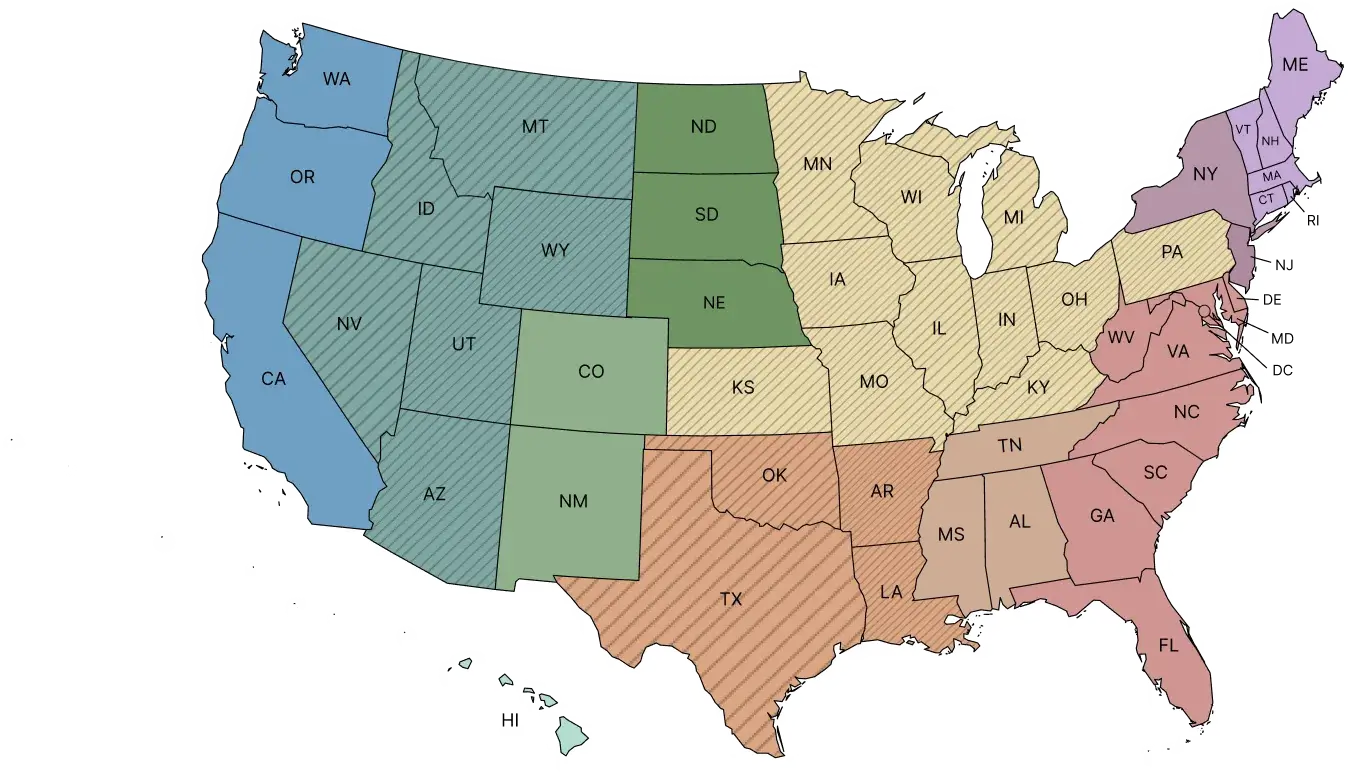
At EB5 Coast to Coast, we operate 12+ USCIS-approved regional centers covering 49 states, with 90+ projects sponsored and 1,000+ investors through our network. Whether you’re interested in priority processing through a rural project or comparing other options, our team can walk you through the details so you can decide with confidence.
Connect with an EB-5 Specialist Today to review active project documentation, examine our established EB-5 regional center track record, and check where our offerings stand with USCIS.
Disclaimer: This article is provided for informational purposes only and does not constitute legal or investment advice. Visa availability is subject to change, and individual circumstances may vary. Prospective investors should consult with qualified immigration counsel and review all offering documents before making any investment decision.
Blog
Recent Post


Blogs
EB-5 Visa Green Card Requirements in 2026: A Comprehensive Investor’s Guide
EB5 Coast to Coast Read More »
EB5 Coast to Coast
Connect with an EB-5 Specialist Today
See where our active projects stand with USCIS, review our track record, and find the path that fits your family’s goals.