EB-5 Visa Green Card Requirements in 2026: A Comprehensive Investor’s Guide
Vy Nguyen
EB5 Coast to Coast

EB5 Coast to Coast
- November 06, 2026
- 7 min read
Selecting the right regional center is the most critical decision an EB-5 investor will make.
Securing U.S. permanent residency through the EB-5 Immigrant Investor Program requires meeting strict statutory criteria defined by U.S. Citizenship and Immigration Services (USCIS) under the EB-5 Reform and Integrity Act (RIA). To qualify for a Green Card, investors must make a qualifying capital contribution into a New Commercial Enterprise (NCE), maintain their capital “at risk,” document an unbroken lawful source and path of funds, and create at least 10 full-time jobs for qualifying U.S. workers.
This guide explains the investment, job creation, documentation, and filing requirements investors should review with an EB-5 immigration attorney.

- Comparative Breakdown
- Minimum Capital Investment Thresholds and Inflation Rules
- Job Creation Mechanics: Direct vs. Regional Center
- Form I-956F Standing and Regional Center Due Diligence
- Strategic Advantages of Rural TEA Projects in 2026
- Filing from Inside the United States
- Investor Participation and Immigration Eligibility
- Frequently Asked Questions
- Make an Informed EB-5 Decision
Connect with an EB-5 Specialist Today
Comparative Breakdown: Core EB-5 Visa Green Card Requirements
Requirement Dimension
Statutory Mandate
Key Evidentiary Proof
Minimum Capital Investment
Rural TEA EB-5 Regional Center Projects
- $800,000 in Targeted Employment Areas (Rural TEA, High Unemployment TEA, or Infrastructure) / $1,050,000 in standard Non-TEAs. Both amounts are scheduled to adjust for inflation on January 1, 2027 or even sooner.
High Unemployment / Urban Regional Center Projects
- Official bank confirmation statements, escrow release receipts, and wire transfer documentation to the NCE.
Job Creation Standard
Rural TEA EB-5 Regional Center Projects
- At least 10 qualifying full-time jobs per investor. Standalone investments generally require direct jobs. Regional center investments may count direct and indirect jobs, including induced jobs, subject to statutory limits.
High Unemployment / Urban Regional Center Projects
- Payroll and employment records for standalone investments; economic analysis and evidence supporting its inputs, such as eligible expenditures or operating revenues, for regional center investments.
Capital Security & Risk
Rural TEA EB-5 Regional Center Projects
- For post-RIA petitions, the qualifying investment must be expected to remain invested for at least two years. Under USCIS guidance, this period generally begins when the full investment is placed at risk, including being made available to the job-creating entity as appropriate.
High Unemployment / Urban Regional Center Projects
- PPM terms, limited partnership agreements, and proof of capital deployment into job-creating activities.
Lawful Origin & Path of Funds
Rural TEA EB-5 Regional Center Projects
- Clear, account-by-account paper trail proving capital was lawfully acquired and legally transferred.
High Unemployment / Urban Regional Center Projects
- Applicable personal and business tax returns filed during the past seven years, source-specific records, and bank statements tracing the funds into the NCE. Document the lawful source of associated administrative costs and fees. For non-bank loans, include applicable lawful-source records from the lender.
1. Minimum Capital Investment Thresholds and Inflation Rules
Under current statutory guidelines, the EB-5 program establishes two distinct investment tiers based on project location:
1
Targeted Employment Areas (TEA)
The minimum required capital is $800,000 for projects located in a designated rural or high-unemployment TEA, or a qualifying infrastructure project.
2
Standard Non-TEA Projects
The minimum required capital is $1,050,000 for commercial projects outside qualifying TEAs.
3
Statutory Inflation Adjustment Clause
Both amounts are scheduled to adjust for inflation on January 1, 2027.
4
"At-Risk" Capital Mandate
USCIS requires that the investor’s capital be fully committed to the New Commercial Enterprise and subject to financial gain or loss. A guaranteed rate of return or an impermissible contractual right to repayment can make capital ineligible. An immigration attorney should review any guarantees and redemption provisions for compliance with EB-5 rules.
2. Job Creation Mechanics: Direct vs. Regional Center
The central objective of the EB-5 program is fostering economic growth and U.S. employment. Every investor must generate at least 10 permanent, full-time jobs (minimum 35 hours per week) for U.S. citizens or lawful permanent residents:
1
Regional Center Job Creation
Sponsoring entities operating through USCIS-approved EB-5 regional centers can count direct, indirect, and induced jobs calculated through approved economic impact models (such as IMPLAN or RIMS II). Qualifying jobs must be supported by the economic analysis and evidence of its underlying inputs.
2
Direct EB-5 Job Creation
Standalone investments require creating 10 direct W-2 jobs on the enterprise’s internal payroll. Independent 1099 contractors or third-party vendor jobs do not qualify.
3
Job Creation Cushion
Asking how many jobs the project expects beyond the 10 per investor required is a critical due diligence step. A big job cushion ensures an added margin of safety against unexpected budget or construction scope changes. This does not, however, guarantee sufficient job creation.
3. Form I-956F Standing and Regional Center Due Diligence
Before submitting an individual Form I-526E petition, investors must evaluate project-level compliance and structure:
1
Form I-956F Status Rules
Sponsoring regional centers must file Form I-956F (Application for Approval of an Investment in a Commercial Enterprise) for the specific offering prior to accepting investor Form I-526E filings.
2
Understanding I-956F Risk Reduction
An approved Form I-956F means USCIS has reviewed the project’s economic impact model, TEA designation, and business plan, which significantly reduces project-level risk. A pending application may already be under review, but filing alone is not approval. Furthermore, an approved Form I-956F does not guarantee individual Form I-526E approval, as USCIS must independently review each investor’s personal source and path of funds.
3
Regional Center Standing
Check the regional center’s designation status and request evidence of required annual Form I-956G filings, Integrity Fund payments, and other applicable compliance obligations. Appearance on a USCIS list alone does not establish compliance with every requirement.
4
Entity Relationship Nuance
The Regional Center, NCE Manager, Developer, and Operator do not need to be completely separate or independent companies. In many structured projects, the regional center also serves as the NCE (fund) manager to maintain direct operational alignment, compliance reporting, and capital oversight. Ask who controls each entity, how responsibilities are divided, which conflicts of interest are disclosed, and what independent oversight is in place.
5
Third-Party Oversight
Confirming that the project utilizes an independent third-party fund administrator or provides annual audited financial statements represents an industry best practice that ensures investor funds are deployed according to offering terms. Neither approach guarantees against misuse or investment loss.
4. Strategic Advantages of Rural TEA Projects in 2026
Project characteristics can affect eligibility for reserved visa categories and rural priority processing. Visa availability and petition processing are separate issues, and neither guarantees an investor’s timeline.
A
Reserved Visa Categories
The law reserves 20% of EB-5 visas for rural investments, 10% for high-unemployment area investments, and 2% for infrastructure projects. These categories are separate from the unreserved category. Availability depends on the applicable Visa Bulletin and USCIS filing guidance.
B
Statutory Priority Processing
Rural TEA petitions receive statutory priority processing from USCIS, which can mean faster Form I-526E petition review compared to standard queues, though priority processing doesn’t guarantee a specific timeline.
5. Filing from Inside the United States
Eligible investors may file Form I-485 together with Form I-526 or Form I-526E when a visa is available for filing under the applicable Visa Bulletin and USCIS guidance. Concurrent filing is not exclusive to rural projects.
Eligible applicants may also apply for an Employment Authorization Document (EAD) and advance parole. Filing these applications does not itself authorize employment or travel. An immigration attorney should review eligibility and the effects on the investor’s current status.
6. Investor Participation and Immigration Eligibility
Investors must participate in the management or policymaking of the NCE. This does not necessarily require daily operations; qualifying limited-partner rights can satisfy the requirement. Investors must also meet applicable immigration admissibility requirements. An immigration attorney should review the investor’s circumstances and the offering’s governance documents.
Frequently Asked Questions (FAQs)
Core requirements include investing $800,000 in a qualifying TEA or infrastructure project, or $1,050,000 otherwise; documenting the lawful source and path of funds; meeting the at-risk and job creation requirements; and participating in management or policymaking. Investors must also meet applicable immigration eligibility requirements. Both investment minimums are scheduled to adjust for inflation on January 1, 2027 or even sooner.
No. Form I-956F approval concerns the project application. USCIS separately evaluates each investor’s eligibility, including their lawful source and path of funds. Project approval does not guarantee Form I-526E approval, a Green Card, Form I-829 approval, or return of capital.
Form I-526E approval alone does not grant a Green Card. Conditional permanent residence begins when USCIS approves Form I-485 or the investor enters the United States with an EB-5 immigrant visa.
The investor must file Form I-829 during the 90-day period immediately before the second anniversary of becoming a conditional permanent resident and demonstrate compliance with the applicable investment and job creation requirements. If USCIS approves Form I-829, it removes the conditions on permanent resident status.
An independent fund administrator monitors and approves transfers as required by the RIA. Qualifying annual independent financial audits can support an exemption from the fund-administrator requirement. These mechanisms provide different forms of oversight; neither guarantees capital repayment, proper conduct, or immigration approval.
Make an Informed EB-5 Decision with EB5 Coast to Coast
Evaluating EB-5 Green Card requirements requires analyzing regulatory compliance, job creation buffers, capital stack positioning, and structural safeguards across participating entities.
USCIS-approved EB-5 regional centers
0
+
states
0
investors sponsored through our network
0
sponsored projects
0
+
Note: EB-5 Coast to Coast is associated with many of these sponsored projects only in its service as a Regional Center for compliance with the EB-5 program. We participate in the offerings and are involved in the capital raise of some but not all of these sponsored projects.
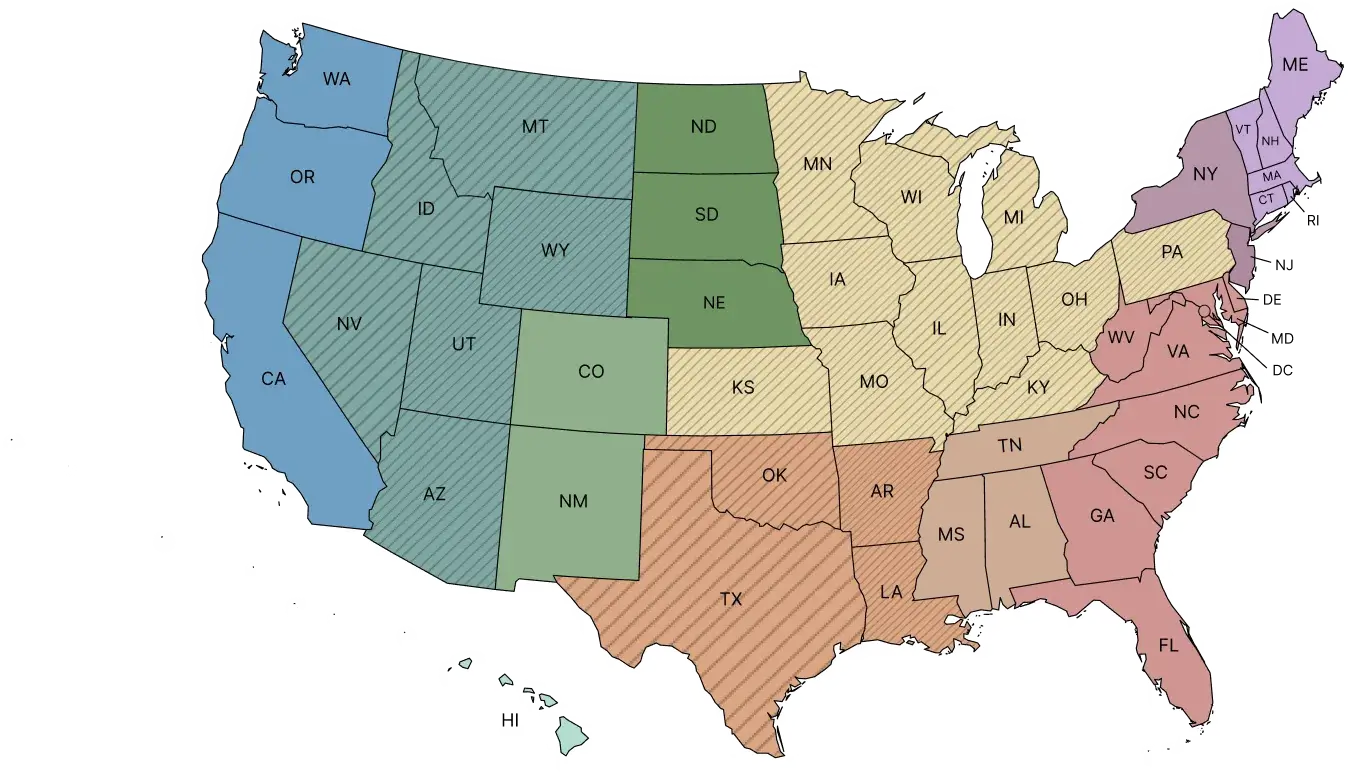
At EB5 Coast to Coast, we operate 12+ USCIS-approved regional centers covering 49 states, with 90+ projects sponsored and 1,000+ investors through our network.
Connect with our team to review available EB-5 projects and request an introduction to an immigration attorney.
Disclaimer: This article is provided for informational purposes only and does not constitute legal or investment advice. Visa availability is subject to change, and individual circumstances may vary. Prospective investors should consult with qualified immigration counsel and review all offering documents before making any investment decision.
Blog
Recent Post

 Read More »

Blogs
EB-5 Investment Models Compared: Direct vs. Regional Center Projects in 2026
EB5 Coast to CoastEB5 Coast to Coast
Connect with an EB-5 Specialist Today
See where our active projects stand with USCIS, review our track record, and find the path that fits your family’s goals.