What Determines How Long Your EB-5 Investment Stays Invested?
Vy Nguyen
EB5 Coast to Coast

EB5 Coast to Coast
- November 20, 2026
- 6 min read
Selecting the right regional center is the most critical decision an EB-5 investor will make.
How long your money stays in an EB-5 project is one of the biggest financial questions you’ll face. Under the RIA, your investment must be expected to stay invested for at least two years, generally starting when the full amount is at risk and available to the job-creating entity. How long it actually stays invested depends on the offering itself: the loan or investment term, extension options, when the project creates its jobs, and the plan to repay investors.

Connect with an EB-5 Specialist Today
Questions That Shape Your Investment Timeline
Factor
Question to Ask
Why It Matters
USCIS Minimum
- How long must my capital stay invested under the RIA?
- At least two years, generally starting when the full amount is at risk and available to the job-creating entity. The offering terms can run longer.
Investment Term
- What is the loan or investment term, and how many extensions can the developer take?
- Extensions can add years to your timeline, so check how many are allowed and who decides to use them.
Job Creation
- Which jobs count, and when are they created?
- Jobs from construction spending are often created earlier than jobs from operations. Both can count.
Repayment Plan
- What is the plan to repay investors, and what does it depend on?
- Repayment usually depends on a refinance or sale. Ask what happens if the market or the project's timeline changes.
1. The Statutory Baseline: USCIS 2-Year Investment Rule
Start by separating what USCIS requires from what the offering documents say:
1
USCIS Two-Year Rule
Under the RIA, your investment must be expected to stay invested for at least two years, generally starting when the full amount is at risk and available to the job-creating entity.
2
At-Risk Compliance
While the two-year statutory threshold sets the legal minimum, capital cannot feature guaranteed returns, contractual buyback promises, or redemption rights prior to meeting statutory job creation goals.
3
Statutory Investment Minimums
The minimum required EB-5 capital is $800,000 for Targeted Employment Areas (Rural TEAs or High Unemployment TEAs) and $1,050,000 for standard non-TEA projects. (Both amounts are scheduled to adjust for inflation on January 1, 2027.)
2. What Shapes the Timeline in the Offering Documents
Project capital structure and offering agreements dictate actual loan repayment windows:
1
Investment Term and Extensions
Many EB-5 offerings set an initial term of 3 to 5 years, with extension options for the developer. Ask how long the initial term is, how many extensions are allowed, and who decides whether to use them.
2
When Jobs Are Created
When a project’s jobs come mainly from construction spending, it can reach its job targets earlier in the timeline. Ask how many jobs the project expects to create, when, and how big the cushion is above the 10 jobs required per investor.
3
Developer Equity and Repayment
Ask how much of the developer’s own money is in the project and how they plan to repay or refinance at the end of the term. Developer equity can support a refinance, but it doesn’t guarantee when you’ll be repaid.
3. Check the Project's Standing
Before you invest, confirm the project’s Form I-956F status, the regional center’s standing with USCIS, and who oversees the funds. An approved I-956F reduces project-level risk, but it doesn’t guarantee your I-526E approval or when you’ll be repaid. See our [regional center due diligence post] for what to check.
Frequently Asked Questions (FAQs)
It depends on the loan or investment term, the extension options, when the project creates its jobs, and the repayment plan in the offering documents. USCIS only sets the minimum of at least two years.
Under the RIA, your investment must be expected to stay invested for at least two years, generally starting when the full amount is at risk and available to the job-creating entity.
No. An approved Form I-956F reduces project-level risk by confirming that USCIS accepts the business plan, economic model, and TEA status. Capital return timing depends on private offering loan agreements, project execution, and market refinancing conditions.
Utilizing an independent third-party fund administrator or providing annual audited financial statements represents an industry best practice that ensures investor funds are handled transparently and disbursed strictly in accordance with offering documents.
Secure Your EB-5 Investment Strategy with EB5 Coast to Coast
Evaluating project investment periods requires looking beyond marketing summaries to analyze underlying loan agreements, capital stack positioning, and structural safeguards.
USCIS-approved EB-5 regional centers
0
+
states
0
investors sponsored through our network
0
sponsored projects
0
+
Note: EB-5 Coast to Coast is associated with many of these sponsored projects only in its service as a Regional Center for compliance with the EB-5 program. We participate in the offerings and are involved in the capital raise of some but not all of these sponsored projects.
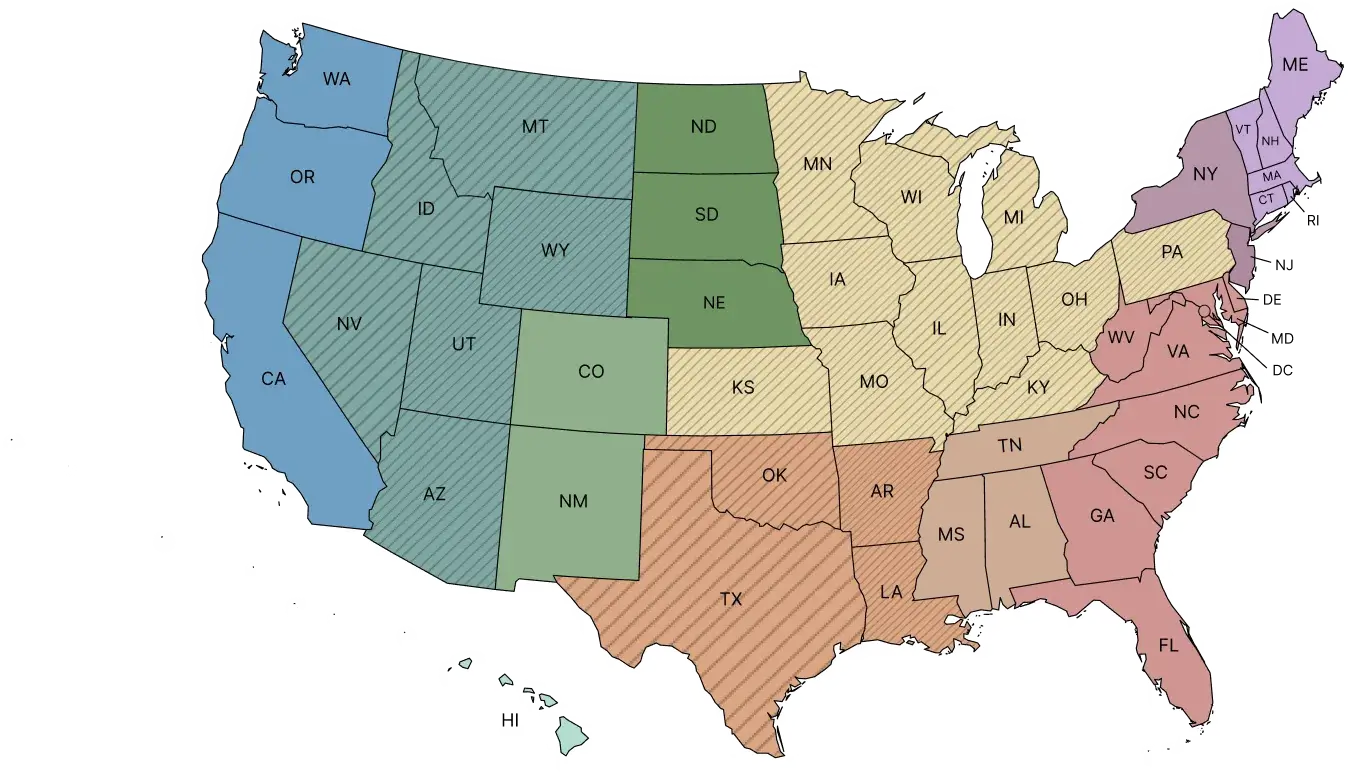
EB-5 Coast to Coast is one of the largest EB-5 Regional Center networks in the U.S., covering 49 states, with 90+ projects sponsored, 1,000+ investors sponsored through our network, and 12+ USCIS-approved regional centers. Whether you’re interested in priority processing through a rural project or comparing other options, our team can walk you through the details so you can decide with confidence.
Connect with an EB-5 specialist to see where our active projects stand with USCIS, review our track record, and find the path that fits your family’s goals.
Disclaimer: This article is provided for informational purposes only and does not constitute legal or investment advice. Visa availability is subject to change, and individual circumstances may vary. Prospective investors should consult with qualified immigration counsel and review all offering documents before making any investment decision.
Blog
Recent Post



EB5 Coast to Coast
Connect with an EB-5 Specialist Today
See where our active projects stand with USCIS, review our track record, and find the path that fits your family’s goals.