EB-5 Visa Strategy for H-1B Professionals in the Bay Area and Seattle
Vy Nguyen
EB5 Coast to Coast

EB5 Coast to Coast
- November 13, 2026
- 6 min read
Selecting the right regional center is the most critical decision an EB-5 investor will make.
Many tech professionals on H-1B visas in major innovation hubs like the San Francisco Bay Area (San Jose, San Francisco, Santa Clara, Sunnyvale) and the Greater Seattle area (Seattle, Bellevue, Redmond) face prolonged PERM labor certification pauses, employer sponsorship constraints, and decades-long backlogs under traditional employment-based queues. EB-5 offers an investment-based immigration pathway that does not require employer sponsorship. Eligible investors may file Form I-526E and Form I-485 concurrently when a visa is available for filing under the applicable Visa Bulletin and USCIS guidance.
This strategy allows tech professionals to secure unrestricted work permits (EAD) and travel authorization (Advance Parole) while maintaining residence in high-growth tech corridors and utilizing EB-5 regional center projects to access priority processing queues.

- Comparative Overview
- Navigating H-1B Career Constraints in Silicon Valley and Puget Sound
- Concurrent Filing Mechanics for U.S.-Based Tech Professionals
- Documenting Tech Earnings for Source of Funds Compliance
- Strategic Advantages of Rural TEA Projects for Tech Investors
- Frequently Asked Questions
- Evaluate Your EB-5 Options with EB5 Coast to Coast
Connect with an EB-5 Specialist Today
Comparative Overview: H-1B Employment vs. EB-5 Concurrent Filing
Mobility Metric
Traditional H-1B to EB-2/EB-3 Route
EB-5 Concurrent Filing Strategy (I-526E + I-485)
Employer Sponsorship Dependence
- Restricted to sponsoring employer; PERM delays or tech layoffs jeopardize legal status.
- Self-sponsored investment route; complete career independence from corporate sponsorship.
Spousal & Family Employment
- Dependent H-4 EAD requires an approved I-140; subject to delays and restrictions.
- Concurrent Form I-765 grants unrestricted EAD for spouse and eligible dependents.
Travel & Re-entry Flexibility
- Visa stamping constraints and travel restrictions during visa processing.
- Advance Parole (Form I-131) permits international travel without employer travel letters.
Priority Queue Access
- Decades-long backlogs for high-demand birth countries under unreserved categories.
- 20% Rural TEA set-aside access bypasses unreserved backlogs via priority processing.
1. Navigating H-1B Career Constraints in Silicon Valley and Puget Sound
For software engineers, data scientists, and other tech professionals, employer-sponsored immigration can create several challenges:
1
PERM Delays and Layoff Risks
Employer decisions to pause or discontinue sponsorship can interrupt a worker’s immigration plans. Following job termination, eligible H-1B workers may receive a discretionary grace period of up to 60 consecutive days or until their authorized validity period ends, whichever is shorter. An immigration attorney should review the available options promptly.
2
Employment-Based Visa Backlogs
Employment-based EB-2 and EB-3 visa queues for foreign nationals born in high-demand countries (such as India and China) face multi-decade processing delays.
3
An Employer-Independent Pathway
EB-5 allows eligible investors to pursue permanent residence without an employer-sponsored immigrant petition. Broader career flexibility depends on obtaining an appropriate EAD or permanent residence; filing an EB-5 petition alone does not remove H-1B employment restrictions.
2. Concurrent Filing Mechanics for U.S.-Based Tech Professionals
Certain investors already in the United States, including people in H-1B, L-1, or F-1 status with Optional Practical Training (OPT), may qualify for adjustment of status. Valid nonimmigrant status alone does not establish eligibility. An immigration attorney should review the investor’s immigration history and filing options.
1
Concurrent Filing (Form I-526E + Form I-485)
If a visa is immediately available for their category and country of birth on the U.S. Department of State Visa Bulletin, tech workers can submit their Form I-526E immigrant petition alongside Form I-485 (Adjustment of Status).
2
Applications for Work and Travel Authorization
An approved adjustment-based EAD generally allows employment without sponsorship by a particular employer, including self-employment. Filing alone does not authorize employment or international travel. Applicants should review travel plans and any effect on their current status with immigration counsel.
3
Statutory Investment Minimums
The minimum required EB-5 capital is $800,000 for Targeted Employment Areas (Rural TEAs, High Unemployment TEAs, or Infrastructure projects) and $1,050,000 for standard non-TEA projects. Both amounts are scheduled to adjust for inflation on January 1, 2027 or even sooner.
3. Documenting Tech Earnings for Source of Funds Compliance
High-income tech professionals in Silicon Valley and the Pacific Northwest often utilize structured compensation packages to fund their EB-5 investment:
1
Vested Stock and RSU Sales
Proceeds from vested Restricted Stock Units (RSUs) and stock sales may qualify if lawfully obtained and fully documented. Relevant records may include grant and vesting documents, brokerage statements, sale confirmations, applicable tax records, and bank statements tracing the proceeds into the investment.
2
Home Equity Loans and Refinancing
Proceeds from a home equity loan or cash-out refinance may qualify if lawfully obtained and documented. Relevant records may include property ownership and acquisition documents, the loan agreement, disbursement records, and bank statements tracing the proceeds into the investment.
3
Accumulated Salary Savings
Provide applicable personal and business tax returns filed during the past seven years, unless USCIS specifies another period, together with employment records, pay statements, and bank statements showing how the investment funds accumulated. W-2 forms support income documentation but are not tax returns. Also document the lawful source of funds used for associated administrative costs and fees.
4. Strategic Advantages of Rural TEA Projects for Tech Investors
A project’s location can affect eligibility for reserved visas and rural priority processing. Visa availability and USCIS petition processing are separate considerations:
1
20% Rural Set-Aside Queue
Investing in rural TEA projects grants access to the largest reserved visa category, giving tech workers from backlogged countries a separate visa queue from unreserved backlogs. Visa availability remains subject to monthly U.S. Department of State Visa Bulletin updates.
2
Statutory Priority Processing
Rural TEA petitions receive statutory priority processing from USCIS, accelerating Form I-526E review compared to standard processing queues.
3
Regional Center Standing
Check the regional center’s designation status and request evidence of required annual Form I-956G filings, Integrity Fund payments, and other applicable compliance obligations. Appearance in a USCIS directory alone does not establish compliance with every requirement.
4
Form I-956F Status Rules
The regional center must file Form I-956F for the offering before an investor may file the related Form I-526E. A pending application may already be under review, but filing alone is not approval. Approval concerns project-level EB-5 requirements and is generally binding on related investor petitions, subject to statutory exceptions. It does not guarantee financial safety or an individual investor’s immigration approval.
Frequently Asked Questions (FAQs)
Yes, if they meet the adjustment-of-status requirements and a visa is available for filing. Filing Form I-526E and Form I-485 does not itself grant independent work authorization. Investors may continue working under valid H-1B authorization or, once approved, an applicable EAD. Immigration counsel should review any employment changes.
Yes. Proceeds from vested RSUs and stock sales may qualify if lawfully obtained and documented. Relevant evidence may include grant and vesting records, brokerage statements, sale confirmations, applicable tax records, and bank statements tracing the proceeds into the investment.
No. Form I-956F approval concerns the project application. USCIS separately evaluates each investor’s eligibility, including the lawful source and path of funds. Project approval does not guarantee Form I-526E approval, a Green Card, Form I-829 approval, or return of capital.
Evaluate Your EB-5 Options with EB5 Coast to Coast
Before pursuing EB-5, review immigration eligibility, funding documentation, project risks, and the implications for your current H-1B status with qualified advisers.
USCIS-approved EB-5 regional centers
0
+
states
0
investors sponsored through our network
0
sponsored projects
0
+
Note: EB-5 Coast to Coast is associated with many of these sponsored projects only in its service as a Regional Center for compliance with the EB-5 program. We participate in the offerings and are involved in the capital raise of some but not all of these sponsored projects.
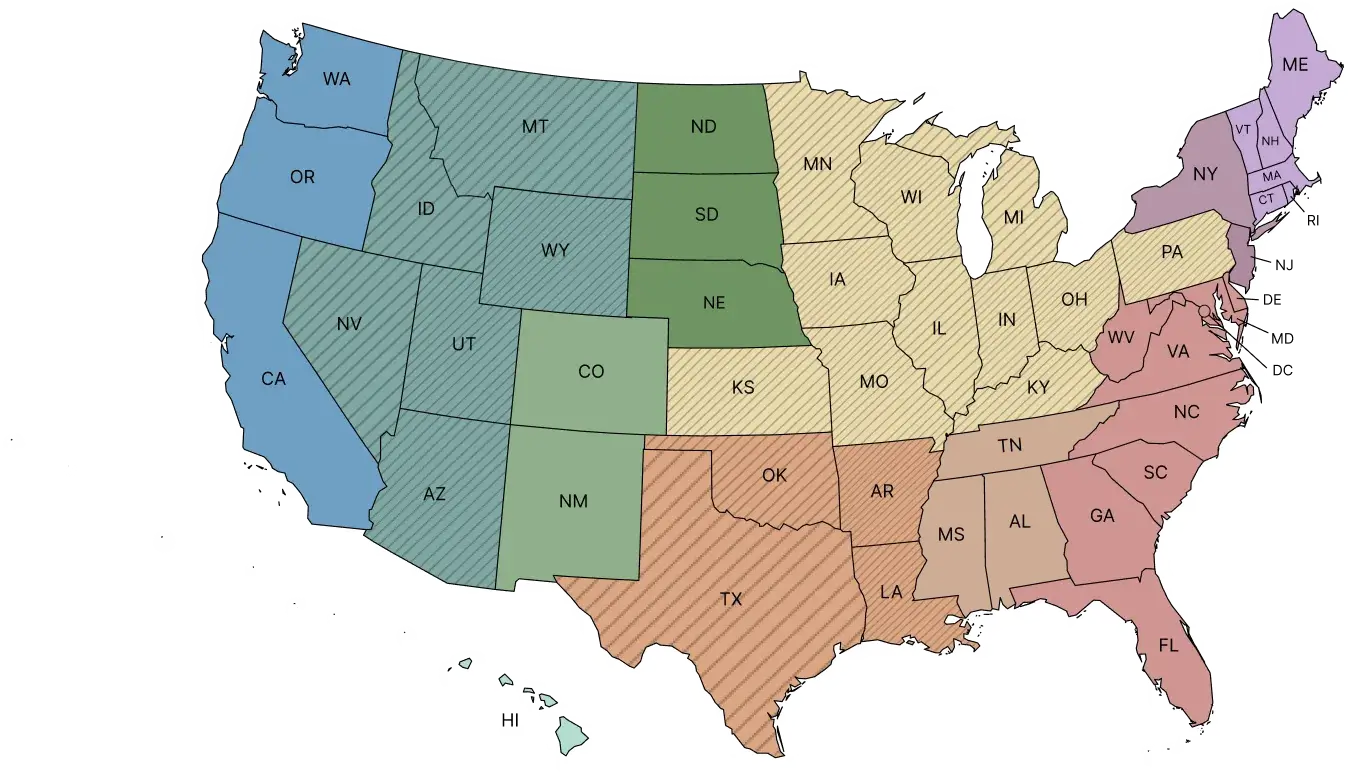
At EB5 Coast to Coast, we operate 12+ USCIS-approved regional centers covering 49 states, with 90+ projects sponsored and 1,000+ investors through our network.
Connect with our team to review available EB-5 projects and request an introduction to an immigration attorney.
Disclaimer: This article is provided for informational purposes only and does not constitute legal or investment advice. Visa availability is subject to change, and individual circumstances may vary. Prospective investors should consult with qualified immigration counsel and review all offering documents before making any investment decision.
Blog
Recent Post


Blogs
EB-5 Visa Green Card Requirements in 2026: A Comprehensive Investor’s Guide
EB5 Coast to Coast Read More »
EB5 Coast to Coast
Connect with an EB-5 Specialist Today
See where our active projects stand with USCIS, review our track record, and find the path that fits your family’s goals.