What Is the EB-5 Minimum Investment? Complete Breakdown
Vy Nguyen
EB5 Coast to Coast

EB5 Coast to Coast
- November 19, 2026
- 7 min read
Selecting the right regional center is the most critical decision an EB-5 investor will make.
Understanding the EB-5 minimum investment requires looking beyond the base capital figures to evaluate project qualification, geographic designations, and structural safeguards under the EB-5 Reform and Integrity Act (RIA).
Under current law, qualifying for a U.S. green card through the EB-5 Immigrant Investor Program requires an investment in a New Commercial Enterprise (NCE) of either $800,000 or $1,050,000, depending on where the project is located. Both amounts are scheduled to adjust for inflation on January 1, 2027.

- Comparative Breakdown
- Core Investment Thresholds and Statutory Inflation Rules
- Qualifying for the $800,000 Investment Tier
- Comprehensive Cost Breakdown: Principal, Fees, and Expenses
- Check the Project Before You Invest
- Strategic Benefits of Rural TEA Projects in 2026
- Frequently Asked Questions
- Make an Informed EB-5 Decision with EB5 Coast to Coast
Connect with an EB-5 Specialist Today
Comparative Breakdown: EB-5 Investment Tiers & Categories
Project Classification
Statutory Capital Threshold
Set-Aside Visa Category Access
Adjudication Priority
Rural Targeted Employment Area (Rural TEA)
- $800,000 (Adjusts Jan 1, 2027)
- 20% Reserved Visa Pool
- Statutory Priority Processing
High Unemployment TEA
- $800,000 (Adjusts Jan 1, 2027)
- 10% Reserved Visa Pool
- Standard USCIS Queue
Infrastructure Project
- $800,000 (Adjusts Jan 1, 2027)
- 2% Reserved Visa Pool
- Standard USCIS Queue
Standard Non-TEA Project
- $1,050,000 (Adjusts Jan 1, 2027)
- Unreserved Visa Pool
- Standard USCIS Queue
1. Core Investment Thresholds and Statutory Inflation Rules
United States Citizenship and Immigration Services (USCIS) enforces strict statutory rules regarding capital allocation based on Targeted Employment Area (TEA) status:
1
Targeted Employment Areas (TEA)
The minimum required investment is $800,000 for projects physically located in designated Rural TEAs or High Unemployment TEAs, as well as qualifying government-administered Infrastructure Projects.
2
Standard Non-TEA Projects
The minimum required investment is $1,050,000 for offerings located outside qualifying TEAs.
3
Mandatory Statutory Inflation Clause
Both amounts are scheduled to adjust for inflation on January 1, 2027.
4
At-Risk Requirement
All capital must be fully committed and stay “at risk” and invested for at least two years. Guaranteed returns or a contractual right to be repaid are not allowed under USCIS rules.
2. Qualifying for the $800,000 Investment Tier
Investors can access the lower $800,000 capital tier by choosing projects that meet specific statutory criteria:
1
Rural TEAs
Defined as locations not within a Metropolitan Statistical Area (MSA) and outside the outer boundary of any city or town having a population of 20,000 or more according to the U.S. Census.
2
High Unemployment TEAs
Defined as census tract areas experiencing an average unemployment rate of at least 150% of the national average.
3
Infrastructure Projects
Public works developments financed in part by EB-5 capital where a government entity acts as the job-creating entity.
3. Comprehensive Cost Breakdown: Principal, Fees, and Expenses
Prospective investors should evaluate all out-of-pocket expenses required to execute an EB-5 filing alongside the principal capital contribution:
1
Principal Investment Capital
$800,000 (TEA) or $1,050,000 (Non-TEA).
2
Administrative Fee
Most offerings charge a one-time administrative fee (commonly ranging from $70,000 to $80,000) to cover costs such as legal structuring, fund administration, and compliance. The amount varies by project.
3
Legal Fees
Independent immigration attorney fees generally range from $25,000 to $35,000 to document your lawful source and path of funds and file Form I-526E.
4
USCIS Filing Fees
You’ll also pay USCIS filing fees for Form I-526E and, if you’re filing from inside the U.S., Form I-485 and related applications. Check the current amounts on the USCIS fee schedule [USCIS fee schedule].
5
Third-Party Financial Administration
Confirming that the project utilizes an independent third-party fund administrator or provides annual audited financial statements represents an industry best practice that ensures investor funds are deployed according to offering terms.
4. Check the Project Before You Invest
Before you invest, confirm the project’s Form I-956F status and the regional center’s standing with USCIS. An approved I-956F reduces project-level risk, but it does not guarantee your I-526E approval. Our guide to [regional center due diligence post] walks through what to check.
5. Strategic Benefits of Rural TEA Projects in 2026
Project location dictates visa queue availability and petition adjudication speeds under current U.S. Department of State Visa Bulletin guidelines:
1
20% Rural Set-Aside Queue
Investing through rural TEA EB-5 regional center projects grants access to the largest reserved visa category, giving investors from backlogged countries such as India and China a separate visa category from the unreserved backlog. Availability still depends on the monthly Visa Bulletin.
2
Statutory Priority Processing
Rural TEA petitions receive statutory priority processing from USCIS, which can mean faster Form I-526E petition review compared to standard queues, though priority processing doesn’t guarantee a specific timeline.
3
EB-5 Concurrent Filing inside the U.S
If you’re living in the U.S. on a valid status such as H-1B, L-1, or F-1, you may be able to file Form I-526E and Form I-485 (Adjustment of Status) together when a visa is available for your category and country. Concurrent filing is not limited to rural projects. While Form I-485 is pending, you can apply for a work permit (EAD) and a travel permit (Advance Parole).
Important Regulatory Note on Timelines and Visa Queues:
Priority processing directs USCIS to review rural petitions ahead of standard queues, but individual adjudication times vary and do not constitute a contractually guaranteed processing timeframe. Furthermore, visa set-aside availability remains subject to monthly U.S. Department of State Visa Bulletin updates.
Frequently Asked Questions (FAQs)
The current minimum investment is $800,000 for projects located in Targeted Employment Areas (Rural TEAs or High Unemployment TEAs) or infrastructure projects, and $1,050,000 for standard non-TEA projects.
No. An approved Form I-956F reduces project-level risk by confirming that USCIS accepts the business plan, economic impact model, and TEA status. However, USCIS must independently adjudicate each investor’s personal Form I-526E petition to verify the lawful source and path of their investment capital.
Both the $800,000 TEA and $1,050,000 non-TEA investment amounts are scheduled to adjust for inflation on January 1, 2027.
Utilizing an independent third-party fund administrator or providing annual audited financial statements represents an industry best practice that ensures investor capital is handled transparently, deployed according to offering terms, and protected against unauthorized use.
Make an Informed EB-5 Decision with EB5 Coast to Coast
Selecting between an $800,000 TEA project and a non-TEA offering requires a clear analysis of project structures, risk factors, and statutory compliance.
USCIS-approved EB-5 regional centers
0
+
states
0
investors sponsored through our network
0
sponsored projects
0
+
Note: EB-5 Coast to Coast is associated with many of these sponsored projects only in its service as a Regional Center for compliance with the EB-5 program. We participate in the offerings and are involved in the capital raise of some but not all of these sponsored projects.
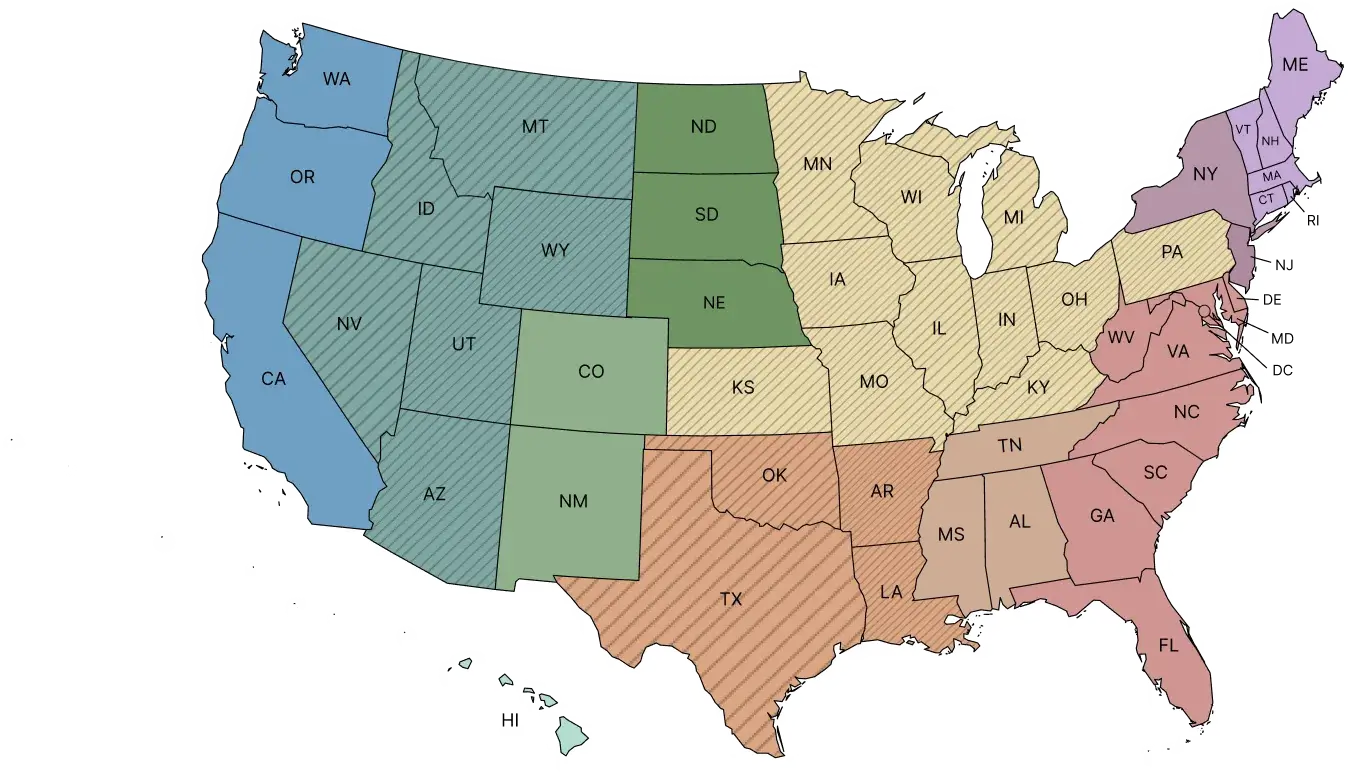
EB-5 Coast to Coast is one of the largest EB-5 Regional Center networks in the U.S., covering 49 states, with 90+ projects sponsored, 1,000+ investors sponsored through our network, and 12+ USCIS-approved regional centers. Whether you’re interested in priority processing through a rural project or want to learn more about the EB-5 process, our team can walk you through the details so you can decide with confidence.
Connect with an EB-5 specialist to see where our active projects stand with USCIS, review our track record, and find the path that fits your family’s goals.
Disclaimer: This article is provided for informational purposes only and does not constitute legal or investment advice. Visa availability is subject to change, and individual circumstances may vary. Prospective investors should consult with qualified immigration counsel and review all offering documents before making any investment decision.
Blog
Recent Post



EB5 Coast to Coast
Connect with an EB-5 Specialist Today
See where our active projects stand with USCIS, review our track record, and find the path that fits your family’s goals.