What Is EB-5 Source of Funds Documentation in 2026?
Vy Nguyen
EB5 Coast to Coast

EB5 Coast to Coast
- November 05, 2026
- 6 min read
Selecting the right regional center is the most critical decision an EB-5 investor will make.
Demonstrating the lawful source and path of funds is the single most critical component of an investor’s Form I-526E petition under the EB-5 Reform and Integrity Act (RIA).
To qualify for a U.S. Green Card, investors must provide an unbroken, fully documented paper trail proving that their investment capital was lawfully obtained and legally transferred into an EB-5 project, whether participating in direct standalone ventures or regional center projects. Investors must also document the lawful source of money used to pay administrative costs and fees associated with their investment.

Comparative Breakdown: Common Permissible EB-5 Funding Sources
Capital Source
Primary Lawful Origin Proof
Path of Funds Documentation
Employment & Salary Savings
Rural TEA EB-5 Regional Center Projects
- 7 years of personal tax returns, W-2/income equivalents, employment contracts, and employer pay stubs.
High Unemployment / Urban Regional Center Projects
- Consecutive bank statements reflecting wage deposits and wire transfers to the New Commercial Enterprise (NCE).
Sale of Real Estate or Assets
Rural TEA EB-5 Regional Center Projects
- Original purchase deed, source of capital for initial purchase, current sale agreement, and tax receipts.
High Unemployment / Urban Regional Center Projects
- Settlement statement (closing document) and bank statements showing net proceeds moving to the NCE.
Monetary Gift (e.g., Family)
Rural TEA EB-5 Regional Center Projects
- Signed, unconditional gift agreement and complete proof of the donor’s lawful source of wealth.
High Unemployment / Urban Regional Center Projects
- Donor’s bank statement showing funds transfer to the investor, followed by wire receipts to the project.
Loan Proceeds
Rural TEA EB-5 Regional Center Projects
- Loan agreement, lender identification, and applicable lawful-source records from a non-bank lender. Include collateral records where relevant.
High Unemployment / Urban Regional Center Projects
- Disbursement records and bank statements tracing the proceeds through any intermediary accounts into the NCE.
1. Core USCIS Standard: Lawful Source vs. Lawful Path
United States Citizenship and Immigration Services (USCIS) evaluates source of funds (SOF) documentation under two distinct legal standards:
1
Lawful Path of Capital
Establishing an unbroken, account-by-account chain of custody showing how capital moved from its point of origin, through intermediary accounts, and directly into the project’s NCE escrow or operating account.
2
Statutory Minimum Requirements
The required EB-5 capital threshold is $800,000 for Targeted Employment Areas (Rural TEAs or High Unemployment TEAs) and $1,050,000 for standard non-TEA projects. Both amounts are scheduled to adjust for inflation on January 1, 2027 or sooner.
2. Documenting Specific Funding Categories
Prospective investors can utilize a single source or combine multiple capital sources, provided each source meets USCIS evidentiary thresholds:
1
Employment Earnings & Bonuses
Submit 5 years of personal tax filings, official job confirmation letters detailing compensation history, pay stubs, and bank statements showing accumulated savings over time.
2
Real Estate Transactions
Provide title deeds, initial purchase contracts, proof of how initial purchase funds were acquired, current sale contracts, tax payment receipts, and settlement distribution statements.
3
Corporate Dividends & Business Ownership
Supply 5 years of corporate and personal tax returns, company registration certificates, audited financial statements, and board resolutions authorizing dividend distributions.
4
Monetary Gifts & Inheritances
For gifts, supply a signed gift letter confirming no obligation of repayment, along with full SOF documentation from the donor. For inheritances, provide official probate court documents, death certificates, asset distribution deeds, and proof of how the deceased originally acquired the assets.
5
Loan Proceeds
Secured or unsecured loan proceeds may qualify if lawfully obtained and fully documented. Provide the loan agreement, disbursement records, and bank statements tracing the proceeds into the NCE. For non-bank loans, also document the lender’s lawful source of funds. Include collateral ownership and acquisition records where relevant.
3. Due Diligence: Avoiding Common SOF Red Flags
Navigating source of funds documentation requires avoiding common evidentiary pitfalls that trigger USCIS Requests for Evidence (RFEs) or petition denials:
1
Unexplained Account Gaps
Missing bank statements or untraced intermediary accounts create breaks in the chain of custody. Ensure every transfer between financial institutions is fully documented.
2
Commingled Funds
Mixing EB-5 capital with untraced third-party funds inside personal or business accounts makes tracing difficult. Segregating EB-5 funds into a dedicated account prior to transfer is a recommended practical safeguard.
3
Foreign Currency Exchange & Remittance Controls
Investors from countries with strict currency controls must ensure all foreign exchange transactions comply fully with local monetary regulations and utilize legal remittance channels.
4. Strategic Advantages of Rural TEA Projects in 2026
Aligning clear SOF documentation with strategic project selection optimizes the overall immigration process:
A
20% Rural Set-Aside Queue
Investing through rural TEA EB-5 regional center projects grants access to the largest reserved visa category, giving investors from backlogged countries such as India and China a separate visa category from the unreserved backlog. Availability still depends on the monthly U.S. Department of State Visa Bulletin.
B
Statutory Priority Processing
Rural TEA petitions receive statutory priority processing from USCIS, which can mean faster Form I-526E petition review compared to standard queues, though priority processing doesn’t guarantee a specific timeline.
C
Concurrent Filing Advantage
Foreign nationals residing legally in the U.S. on a valid nonimmigrant visa (such as H-1B, L-1, or F-1) can file Form I-526E and Form I-485 (Adjustment of Status) together if a visa is available for their category and country. While Form I-485 is pending, investors can apply for an unrestricted work permit (EAD) and travel permit (Advance Parole).
Important Regulatory Note on Timelines and Visa Queues:
Priority processing directs USCIS to review rural petitions ahead of standard queues, but individual adjudication times vary and do not constitute a contractually guaranteed processing timeframe. Furthermore, visa set-aside availability remains subject to monthly U.S. Department of State Visa Bulletin updates.
Frequently Asked Questions (FAQs)
For current EB-5 filings, investors should provide applicable personal and business tax returns filed during the past seven years, unless USCIS specifies another period. Your immigration attorney should identify which records apply to your funding source and circumstances.
Yes. An investor may use gifted capital from a family member or third party, provided there is a signed, unconditional gift agreement and the donor fully documents the lawful source and path of those funds.
No. An approved Form I-956F reduces project-level risk by confirming that USCIS accepts the business plan, economic impact model, and TEA status. However, USCIS must independently adjudicate each investor’s individual Form I-526E petition to verify the lawful source and path of their personal capital.
Yes. Secured or unsecured loan proceeds may qualify if lawfully obtained and fully documented. Provide the loan agreement, disbursement records, and evidence tracing the funds into the investment. For a non-bank lender, documentation of the lender’s lawful source of funds is also required.
Make an Informed EB-5 Decision with EB5 Coast to Coast
An experienced EB-5 immigration attorney can help identify the records needed for your funding sources and address gaps before you file.
USCIS-approved EB-5 regional centers
0
+
states
0
investors sponsored through our network
0
sponsored projects
0
+
Note: EB-5 Coast to Coast is associated with many of these sponsored projects only in its service as a Regional Center for compliance with the EB-5 program. We participate in the offerings and are involved in the capital raise of some but not all of these sponsored projects.
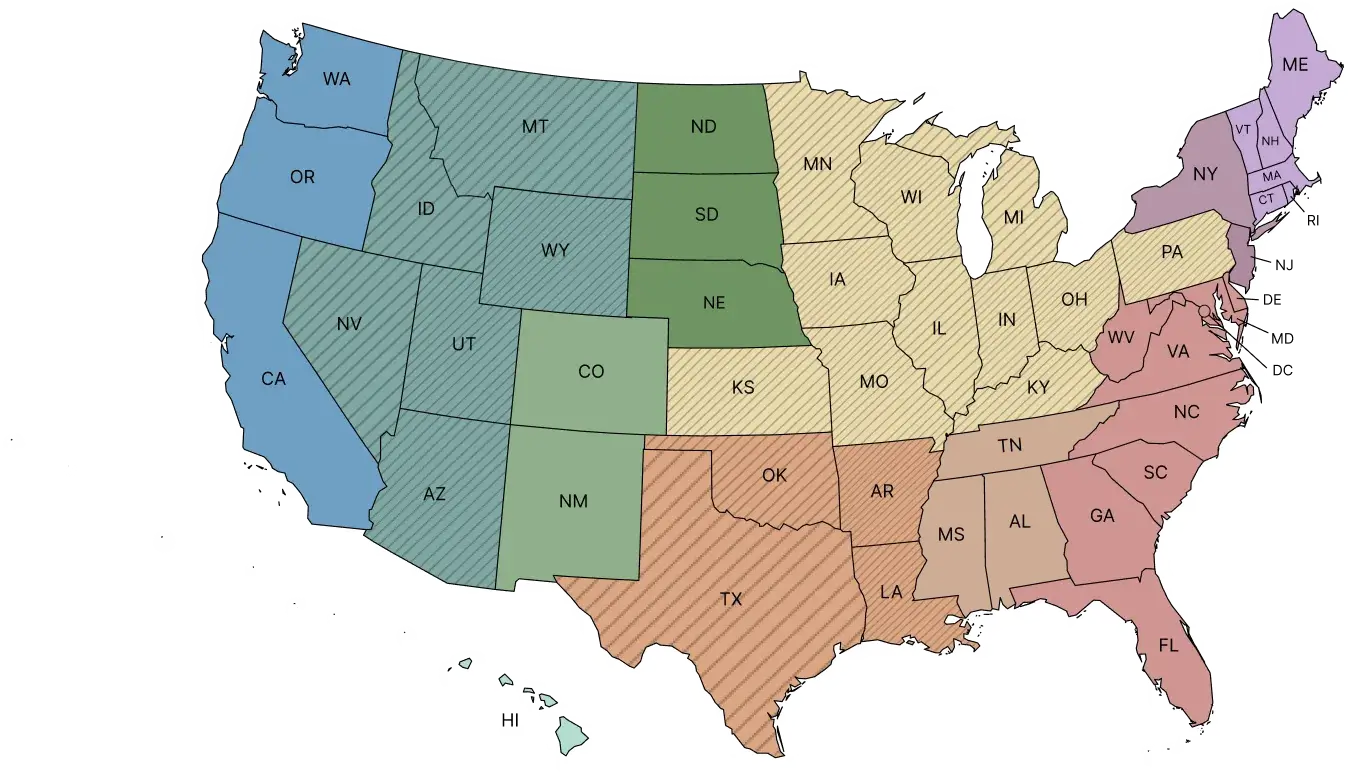
At EB5 Coast to Coast, we operate 12+ USCIS-approved EB-5 regional centers covering 49 states, with 90+ projects sponsored and 1,000+ investors supported through our network.
Connect with our team to discuss available EB-5 projects and request an introduction to top immigration attorneys.
Disclaimer: This article is provided for informational purposes only and does not constitute legal or investment advice. Visa availability is subject to change, and individual circumstances may vary. Prospective investors should consult with qualified immigration counsel and review all offering documents before making any investment decision.
Blog
Recent Post


Blogs
EB-5 Visa Green Card Requirements in 2026: A Comprehensive Investor’s Guide
EB5 Coast to Coast
Blogs
EB-5 Investment Models Compared: Direct vs. Regional Center Projects in 2026
EB5 Coast to CoastEB5 Coast to Coast
Connect with an EB-5 Specialist Today
See where our active projects stand with USCIS, review our track record, and find the path that fits your family’s goals.