Blogs
EB-5 Visa Green Card Requirements in 2026: A Comprehensive Investor’s Guide
 EB5 Coast to Coast

Selecting the right regional center is the most critical decision an EB-5 investor will make.
Preparing an EB-5 petition involves gathering identity records, evidence of the lawful source and path of funds, and documents supporting the investment and job creation requirements. Regional center investors file Form I-526E, while standalone investors file Form I-526. The exact documents depend on the investor’s circumstances, investment structure, and stage of the immigration process.

Gather the identity and family records applicable to your case. Some documents support the initial petition, while others are required for adjustment of status or immigrant visa processing:
Gather passport biographical pages and applicable identity records for the investor and family members seeking derivative benefits. Derivative children generally must be unmarried and under 21, subject to applicable Child Status Protection Act rules.
Official birth certificates, marriage licenses, and divorce decrees (where applicable) to validate family ties. Your attorney should confirm the required documents for each filing stage.
Any document in a foreign language must include a professional certified English translation containing a translator’s certificate of accuracy.
The most rigorously scrutinized portion of any EB-5 petition is the financial audit trail proving capital legitimacy:
Provide applicable personal and business tax returns filed during the past seven years, unless USCIS specifies another period, together with records supporting each funding source. These may include employment records, business or property sale documents, gift letters, loan agreements, or inheritance records. Also document the lawful source of money used for administrative costs and fees associated with the investment.
USCIS requires an account-by-account paper trail showing capital moving from the source account, through any intermediate personal or foreign exchange accounts, directly into the New Commercial Enterprise (NCE) escrow or operating account. Every transfer must be supported by bank statements and wire confirmation receipts. Ask your attorney how to address missing or unavailable records.
The required EB-5 capital threshold is $800,000 for Targeted Employment Areas (Rural TEAs or High Unemployment TEAs) and $1,050,000 for standard non-TEA projects. Both amounts are scheduled to adjust for inflation on January 1, 2027 or even sooner
For a regional center investment, obtain the relevant offering and project documents from the offering team. Your immigration attorney should identify which materials must accompany or be referenced in your individual petition:
The petition should reference the project’s Form I-956F filing. An approved Form I-956F reduces project-level risk by confirming that USCIS accepts the business plan, economic model, and TEA designation.
Review the Private Placement Memorandum (PPM), Limited Partnership Agreement (LPA) or Operating Agreement, and subscription agreement. Retain signed agreements and acknowledgments applicable to your investment, together with evidence of your capital contribution.
Comprehensive business plans and econometric reports detailing how the project meets job creation requirements.
Retain the governing agreement or other evidence showing your management or policymaking rights in the NCE. Qualifying limited-partner rights can satisfy this requirement without requiring daily operational involvement.
Depending on the transfer route, records may include bank statements, wire confirmations, intermediary account records, currency exchange documents, and evidence of receipt by the NCE or escrow account. The documents should establish a clear connection between the lawful funding source and the investment.
USCIS typically looks for at least seven years of personal tax filings (and corporate returns if business proceeds are used) to establish a consistent history of lawful income generation.
No. Project documents address the offering, business plan, and proposed job creation. They do not replace the investor’s evidence of the lawful source and path of funds. Form I-956F approval also does not guarantee commercial viability, return of capital, or individual immigration approval.
Unexplained gaps can lead to a Request for Evidence (RFE) or denial if the evidence does not establish the lawful source and path of funds. Ask your attorney to identify missing records and determine whether explanations or alternative evidence can address the gap.
An experienced EB-5 immigration attorney can help identify the documents needed for your case and address gaps before filing. Our team can provide information about available offerings and their project documentation.
Note: EB-5 Coast to Coast is associated with many of these sponsored projects only in its service as a Regional Center for compliance with the EB-5 program. We participate in the offerings and are involved in the capital raise of some but not all of these sponsored projects.
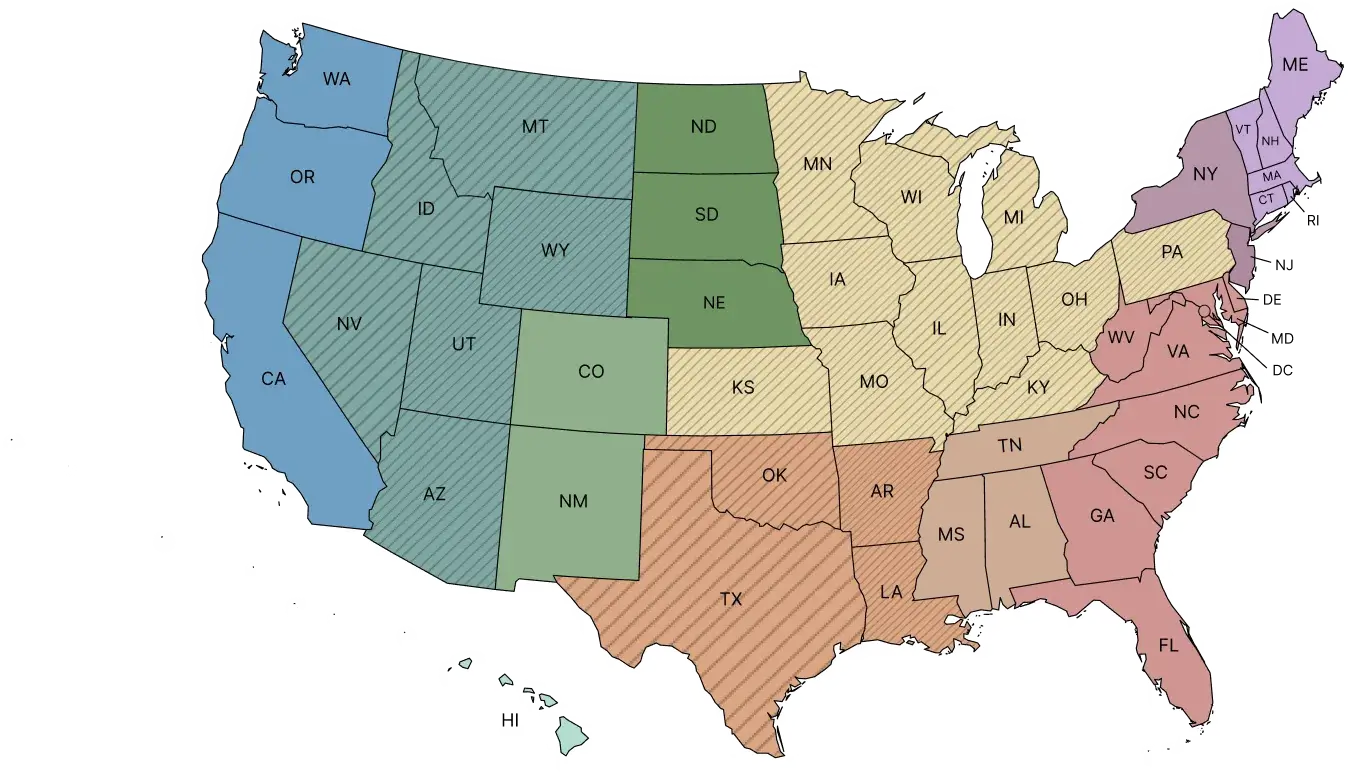
EB-5 Coast to Coast is one of the largest Regional Center operators, with 12+ USCIS-approved EB-5 regional centers covering 49 states, 90+ projects sponsored, and 1,000+ investors supported through our network.
Connect with our team to review available EB-5 projects and request an introduction to an immigration attorney.
Disclaimer: This article is provided for informational purposes only and does not constitute legal or investment advice. Visa availability is subject to change, and individual circumstances may vary. Prospective investors should consult with qualified immigration counsel and review all offering documents before making any investment decision.
 EB5 Coast to Coast
 Read More »
 EB5 Coast to Coast
See where our active projects stand with USCIS, review our track record, and find the path that fits your family’s goals.
This site uses cookies for analytics and advertising. Accept them all, decline them all, or choose which ones you allow. Learn more in our privacy policy.