EB-5 Regional Center Red Flags Investors Should Know in 2026
Vy Nguyen
EB5 Coast to Coast

EB5 Coast to Coast
- October 29, 2026
- 5 min read
Selecting the right regional center is the most critical decision an EB-5 investor will make.
Selecting an EB-5 regional center is the most critical decision an investor will make, directly impacting both U.S. permanent residency and capital preservation. Under the EB-5 Reform and Integrity Act (RIA), evaluating USCIS-approved EB-5 regional centers requires spotting structural warning signs early, such as missing Form I-956F, weak job creation buffers, or an unclear capital stack. Understanding these red flags helps investors select compliant offerings, including rural TEA EB-5 regional center projects that qualify for statutory priority processing.

Connect with an EB-5 Specialist Today
Comparative Overview: Ideal Project Benchmarks vs. Warning Red Flags
Evaluation Criterion
Ideal Regional Center Benchmarks
High Unemployment / Urban Regional Center Projects
Regulatory Standing
- Good standing on the USCIS-approved regional center list, current Form I-956G annual reporting, and paid Integrity Fund fees.
- Sponsoring center under regulatory suspension, unfiled I-956G annual reports, or missing Integrity Fund payments.
Project Approval Status
- Approved or properly filed Form I-956F prior to investor Form I-526E submissions.
- Unfiled Form I-956F, incomplete economic impact models, or unverified TEA tract designations.
Job Creation Safeguards
- Projected jobs comfortably above the 10 per investor required, with a clear explanation of where they come from.
- Little or no cushion above the required jobs, or no clear explanation of the job model.
Capital Stack & Protections
- A clearly disclosed position in the capital stack, meaningful developer cash equity, and clear terms for how investor funds are held and released.
- Unclear capital stack position, little developer cash equity, or no clear repayment plan.
Governance & Oversight
- Clearly defined roles for the Regional Center, NCE Manager, Developer, and Operator, supported by independent fund administration or annual financial audits as industry best practice.
- Undisclosed conflicts of interest, commingled accounts, or complete absence of independent financial reviews.
1. Regulatory and Compliance Red Flags
Before evaluating financial projections, every investor must verify that the sponsoring regional center maintains strict compliance with USCIS regulations:
1
Unverified USCIS Standing
Sponsoring entities must remain in good standing on the USCIS-approved regional center list. A center facing regulatory suspension, missing annual Form I-956G filings, or failing to pay annual EB-5 Integrity Fund fees presents immediate compliance risks.
2
Missing or Unfiled Form I-956F
Under RIA rules, the regional center must file Form I-956F before any individual investor can file Form I-526E. Investing in an offering where Form I-956F has not been submitted prevents USCIS from initiating petition reviews.
3
Understanding I-956F Boundaries
While an approved Form I-956F significantly reduces project-level immigration risk, it does not guarantee individual Form I-526E approval. USCIS must independently adjudicate each investor’s personal source and path of funds.
4
Promises of Guaranteed Approvals or Timelines
Any regional center or promoter claiming a “guaranteed Green Card” or a contractually guaranteed adjudication timeline is violating guidelines. Timing and USCIS processing speeds depend on agency workload and Visa Bulletin updates.
2. Financial Structure and Capital Stack Red Flags
Safeguarding your capital investment requires a rigorous examination of where EB-5 funds sit within the developer’s overall financing model:
1
Minimal Developer Cash Equity
Look for projects where the developer contributes a substantial cash equity stake (typically 10%–30%+ of total project cost). Developers with minimal “skin in the game” carry higher financial and completion risks.
2
Unclear Capital Stack Position
Ask where EB-5 capital sits in the project’s financing, what other debt or equity sits ahead of it, and what supports repayment, such as collateral, guarantees, or priority in the payout order.
3
Unclear Fund Release Terms
Ask how investor funds are held before they’re used and what has to happen before they’re released to the project
4
Investment Amounts & Statutory Rules
The minimum EB-5 investment is $800,000 for Targeted Employment Areas (Rural TEAs or High Unemployment TEAs) and $1,050,000 for standard non-TEA projects. Both amounts are scheduled to adjust for inflation on January 1, 2027.
3. Job Creation and Execution Red Flags
To secure a permanent Green Card via Form I-829, each investor’s capital contribution must generate at least 10 full-time U.S. jobs. Evaluating job creation methodology is critical:
1
Thin Job Creation Margins
Ask how many jobs the project expects beyond the 10 per investor required. A small cushion leaves less room if construction costs or project scope change.
2
Reliance on Operational Revenues
Regional center projects count direct, indirect, and induced jobs calculated via approved economic models (such as IMPLAN or RIMS II). Jobs tied to construction spending are ideal, as they can be counted once the construction budget is spent, regardless of how the business performs after it opens. Jobs from operations depend on the business running as planned.
3
Unverifiable Track Record Across Entities
Investors should look at the EB-5 regional center’s track record and the developer’s construction execution history independently:
- Sponsoring Regional Center: Compliance oversight and USCIS filing sponsorship.
- NCE Manager (Fund Manager): Capital management, escrow supervision, and fiduciary oversight.
- Developer (Job-Creating Entity): Real estate construction and capital deployment.
- Business Operator: Post-construction commercial operations and asset management.
4. Due Diligence Roadmap: How to Screen an EB-5 Project
Prospective investors should follow a structured, multi-step screening process before committing capital:
A
Verify Regulatory and Form I-956F Standing
Confirm that the regional center is in good standing on the USCIS-approved regional center list. Request the Form I-956F approval notice to confirm that USCIS has accepted the project’s economic impact analysis, business plan, and TEA designation. If the I-956F is only filed, request the receipt notice, but acknowledge that USCIS hasn’t reviewed the project yet.
B
Audit Governance and Fund Safeguards
Examine how investor funds are handled. Utilizing an independent third-party fund administrator or providing annual audited financial statements represents an industry best practice that ensures transparency and financial accountability.
C
Evaluate Visa Set-Aside Categories
Project location determines visa queue availability under current U.S. Department of State Visa Bulletin guidelines:
- Rural TEA (20% Set-Aside): Projects in rural areas qualify for statutory priority processing of Form I-526E petitions and access the largest reserved visa category.
- High Unemployment TEAs (10% Set-Aside): Projects in areas with unemployment at least 150% of the national average
- Infrastructure Projects (2% Set-Aside): Public works initiatives administered by governmental entities.
Important Regulatory Note on Adjudication Timelines:
Priority processing directs USCIS to review rural petitions ahead of standard queues, but individual adjudication times vary and do not constitute a contractually guaranteed processing timeframe. Furthermore, visa set-aside availability remains subject to monthly U.S. Department of State Visa Bulletin updates.
Frequently Asked Questions (FAQs)
Major red flags include an unfiled Form I-956F, a regional center not in good standing with USCIS, a thin job creation cushion (below 10%), minimal developer cash equity, lack of independent fund administration or annual financial audits, and promises of guaranteed Green Cards or timelines.
No. An approved Form I-956F reduces project-level risk by confirming that USCIS accepts the business plan, economic impact model, and TEA status. However, USCIS must independently review each investor’s Form I-526E petition to verify their personal lawful source and path of funds.
Jobs generated from hard construction expenditures depend on deploying capital during real estate development. Once the construction budget is spent, those jobs are legally created regardless of how the business performs after opening. In contrast, operational jobs depend on long-term post-opening business revenue.
Not necessarily. In many well-structured projects, the regional center also serves as the NCE (fund) manager to maintain direct operational alignment and oversight. The key is ensuring clearly defined roles, robust corporate governance, and transparent fund management best practices regardless of ownership structure.
Make an Informed EB-5 Decision with EB5 Coast to Coast
Conducting thorough due diligence goes beyond reviewing marketing brochures. It requires analyzing regulatory compliance, job creation cushions, capital stack positioning, and structural safeguards across all participating entities.
USCIS-approved EB-5 regional centers
0
+
states
0
investors sponsored through our network
0
sponsored projects
0
+
Note: EB-5 Coast to Coast is associated with many of these sponsored projects only in its service as a Regional Center for compliance with the EB-5 program. We participate in the offerings and are involved in the capital raise of some but not all of these sponsored projects.
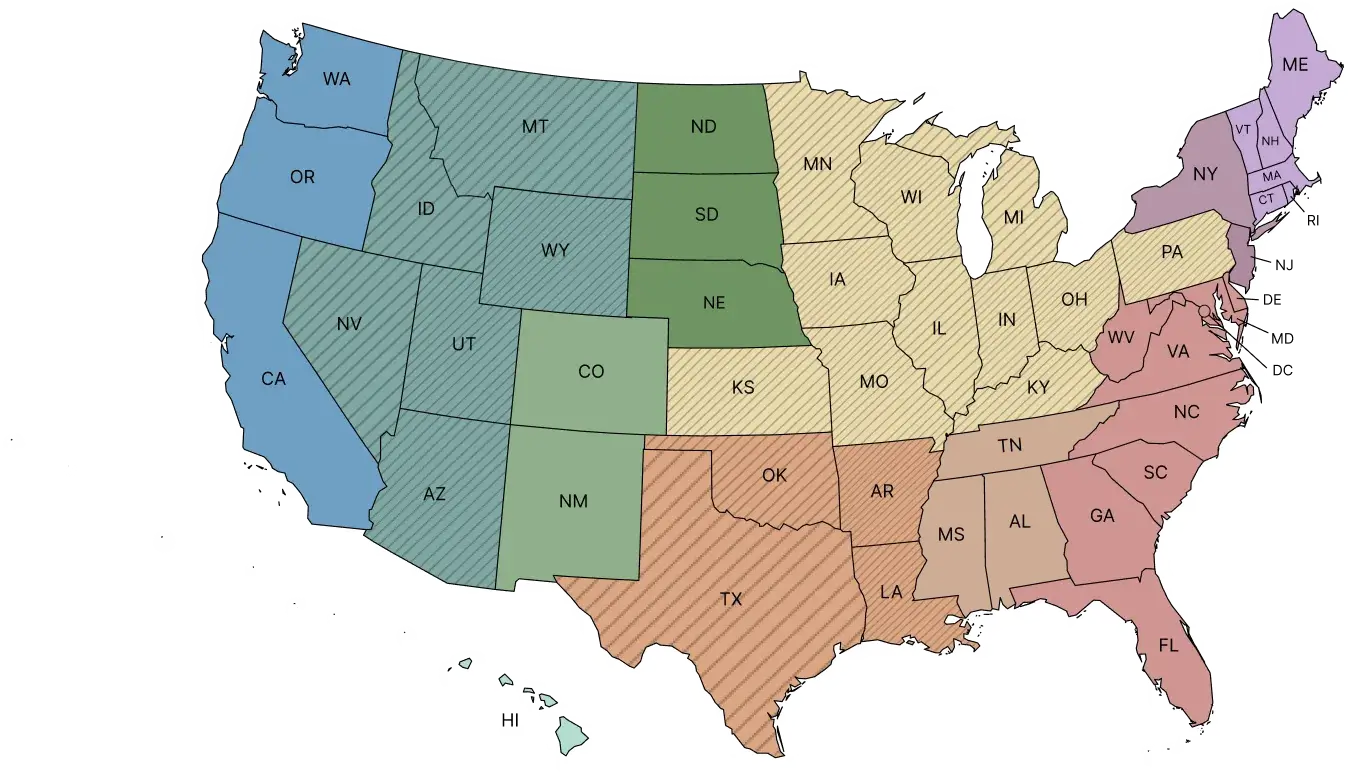
At EB5 Coast to Coast, we operate 12+ USCIS-approved regional centers covering 49 states, with 90+ projects sponsored and 1,000+ investors through our network. Whether you’re interested in priority processing through a rural project or comparing other options, our team can walk you through the details so you can decide with confidence.
Connect with an EB-5 Specialist Today to review active project documentation, see where our offerings stand with USCIS, and select the best path for your family’s immigration goals.
Disclaimer: This article is provided for informational purposes only and does not constitute legal or investment advice. Visa availability is subject to change, and individual circumstances may vary. Prospective investors should consult with qualified immigration counsel and review all offering documents before making any investment decision.
Blog
Recent Post




 Read More »

Blogs
EB-5 Visa Green Card Requirements in 2026: A Comprehensive Investor’s Guide
EB5 Coast to CoastEB5 Coast to Coast
Connect with an EB-5 Specialist Today
See where our active projects stand with USCIS, review our track record, and find the path that fits your family’s goals.