
Blogs
Best EB-5 Projects for Indian Investors in 2026: An Investor’s Guide
Explore EB-5 projects for Indian investors in 2026, including rural TEA options, regional center due diligence and visa set-aside categories.

Explore EB-5 projects for Indian investors in 2026, including rural TEA options, regional center due diligence and visa set-aside categories.

Learn how to compare EB-5 regional centers in 2026 by reviewing USCIS compliance, Form I-956F status, track records and rural projects.

The RIA offers EB-5 funds two ways to meet its oversight requirement. Each reviews investor capital at a different point in a project’s life.

Learn how to evaluate EB-5 projects in 2026, including USCIS compliance, job creation, visa set-asides, and investor due diligence.

Learn how EB-5 priority processing projects work in 2026, including rural TEA eligibility, visa set-asides and investor due diligence.

Learn how to evaluate EB-5 Regional Centers in 2026 by reviewing USCIS compliance, I-956F status, capital structure, and investor protections.

Selecting the right EB-5 regional center is one of the most critical decisions a foreign investor will make during their U.S. Green Card journey.

Explore EB-5 projects for Indian investors in 2026, including rural set-asides, visa availability, concurrent filing and project due diligence.

Learn how to evaluate EB-5 Regional Centers in 2026 by reviewing USCIS compliance, I-956F status, job creation and investor protections.
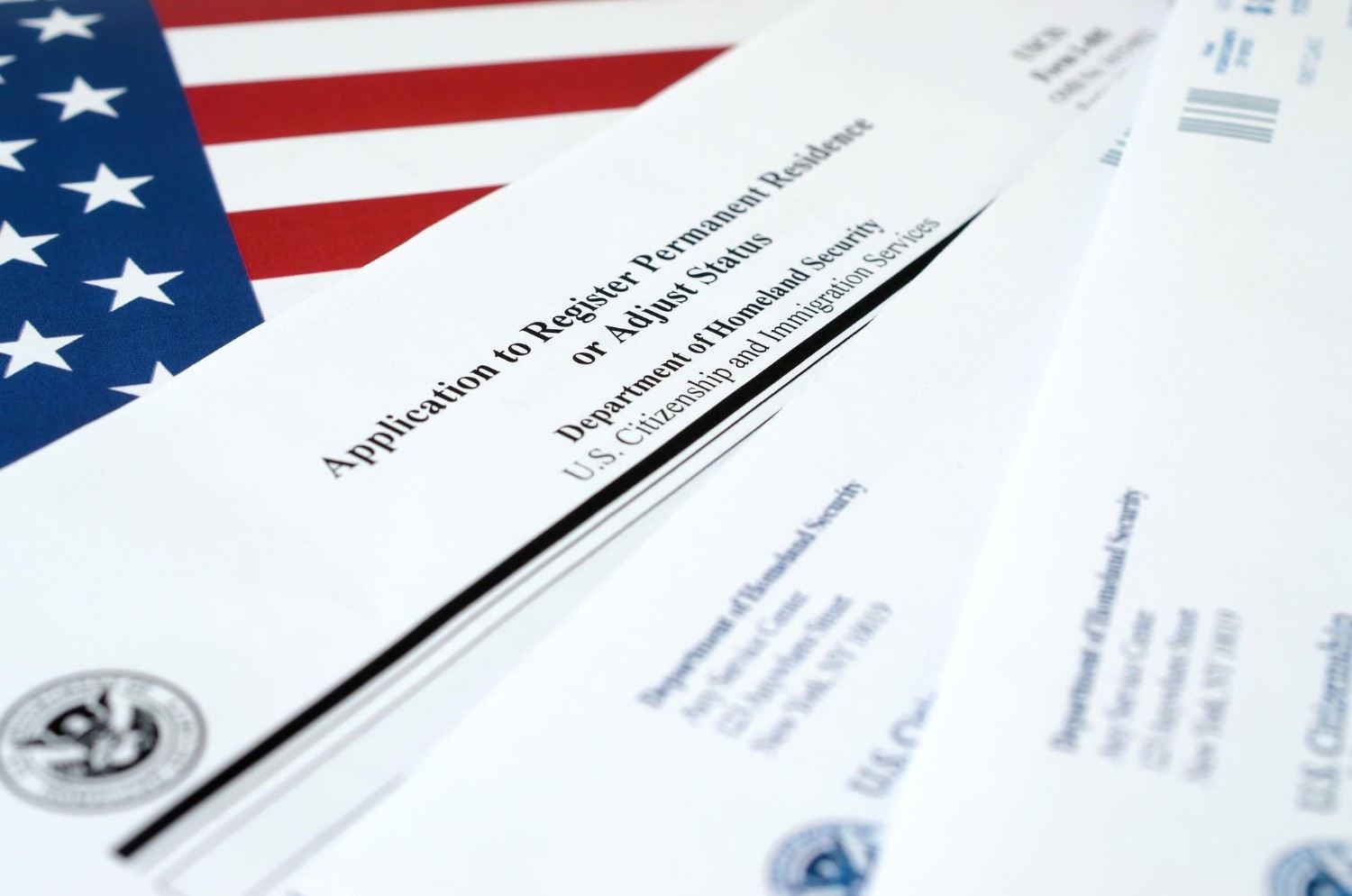
Here’s what it means for EB-5 investors filing for adjustment of status in the United States.

The August 2026 Visa Bulletin is a study in stability at least within EB-5.

On July 2, 2026, DHS published a 358-page NPRM overhauling the EB-5 program. Here’s what’s changing, what isn’t, and what to do before August 31.